A 1000V DC Main Relay is a crucial component in modern electrical and power systems, particularly in applications that deal with high-voltage direct current (DC) circuits. Whether in renewable energy, electric vehicles (EVs), industrial control systems, or power distribution, these relays ensure safe and reliable operation by controlling the flow of electricity at high voltages. In this article, we will delve into the function, applications, and considerations for using a 1000V DC main relay.
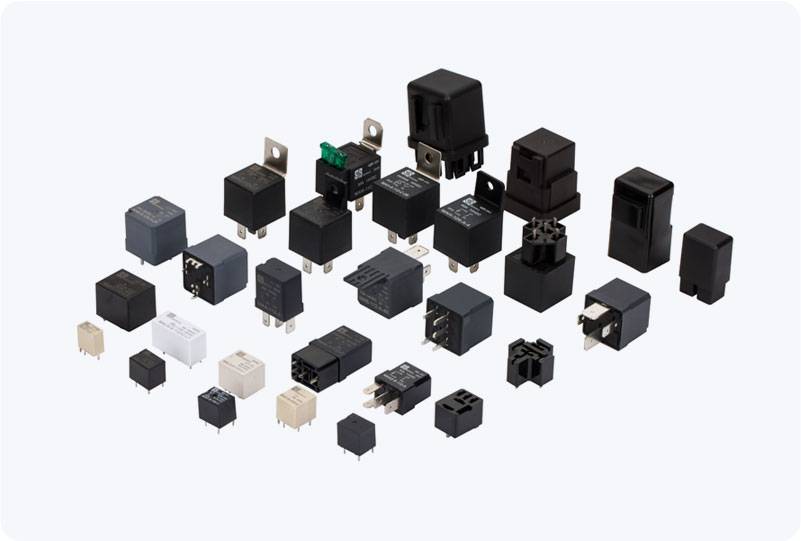
What is a 1000V DC Main Relay? At its core, a 1000V DC main relay is an electrically operated switch designed to handle direct current circuits with voltage levels up to 1000V. Unlike alternating current (AC) relays, which switch currents that periodically reverse direction, DC relays must manage a steady flow of electricity in one direction. This makes DC relays more challenging to design, as they must deal with issues like arc formation during switching, which can cause damage to the contacts and other components over time. The 1000V DC specification means the relay is engineered to safely operate within systems where the voltage does not exceed 1000V. These relays typically come with specialized contact materials and internal mechanisms to ensure they perform reliably in high-voltage settings, preventing accidents and power failures.