A 24V DC industrial relay is an essential component in industrial automation systems. It allows low-power control circuits to switch high-power equipment, making it a key element in controlling machinery, automation systems, and safety devices. In this article, we will explore the working principle, key features, applications, and considerations when using 24V DC industrial relays.
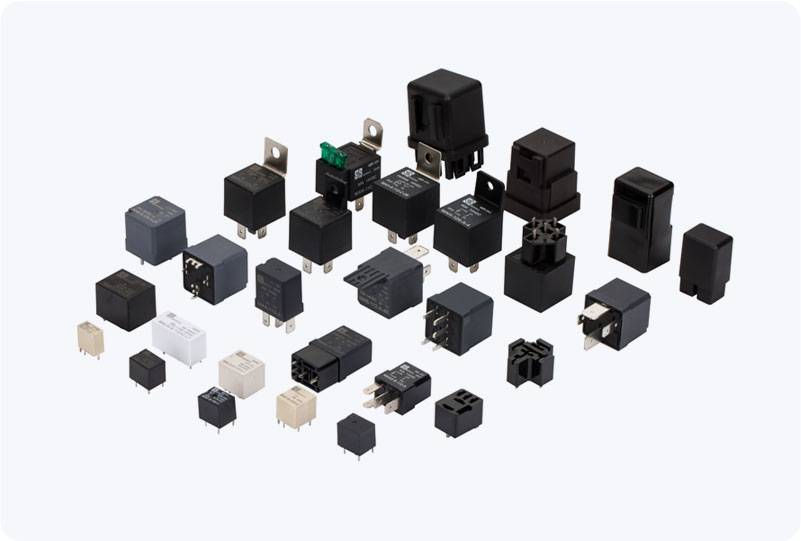
Working Principle of a 24V DC Industrial Relay At its core, a 24V DC industrial relay is an electromagnetic switch. It operates through a coil that, when energized, creates a magnetic field. This magnetic field moves a contact mechanism, either closing or opening electrical contacts. These contacts are then used to control high-power loads like motors, lights, or heating elements. Coil: When a 24V DC voltage is applied to the coil, it generates a magnetic field. Armature: The magnetic field pulls the armature, which moves the contact points. Contacts: The contacts can either open or close, depending on the relay’s design (e.g., normally open or normally closed).