Electromechanical relays (EMR) are critical components in modern electrical and electronic systems, widely used for switching and controlling the flow of electrical currents. These devices leverage the principles of electromagnetism and mechanical motion to function, and their reliability, versatility, and relatively low cost make them indispensable in various industries. This article explores the working principles, types, applications, advantages, and disadvantages of electromechanical relays to provide a comprehensive understanding of their role in the world of electrical control.
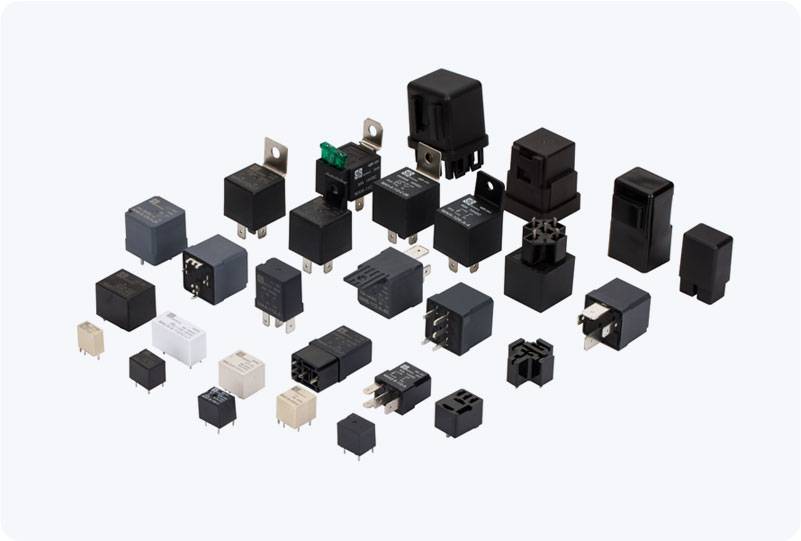
Working Principle of Electromechanical Relays At its core, an electromechanical relay is a device that uses an electromagnet to control the opening and closing of electrical contacts. The basic components of an EMR include a coil (electromagnet), an armature (a movable metal part), contacts (usually made of copper or silver), and a spring. When an electrical current is passed through the coil, it generates a magnetic field. This field attracts the armature, causing it to move. Depending on the configuration of the contacts, the armature either opens or closes the contacts, thereby allowing or interrupting the flow of electricity through the circuit. When the current to the coil is turned off, the magnetic field collapses, and the spring mechanism pulls the armature back to its original position, restoring the contacts to their default state.