In industrial environments, ensuring the safety of workers during maintenance and repair activities is critical. One of the key components in workplace safety protocols is the Lockout-Tagout (LOTO) procedure. LOTO aims to prevent the accidental release of hazardous energy while workers are servicing equipment. A crucial element of this procedure is the LOTO valve lock, which plays a pivotal role in isolating energy sources and protecting maintenance personnel. In this article, we will explore the function, importance, types, and best practices of LOTO valve locks in industrial settings.
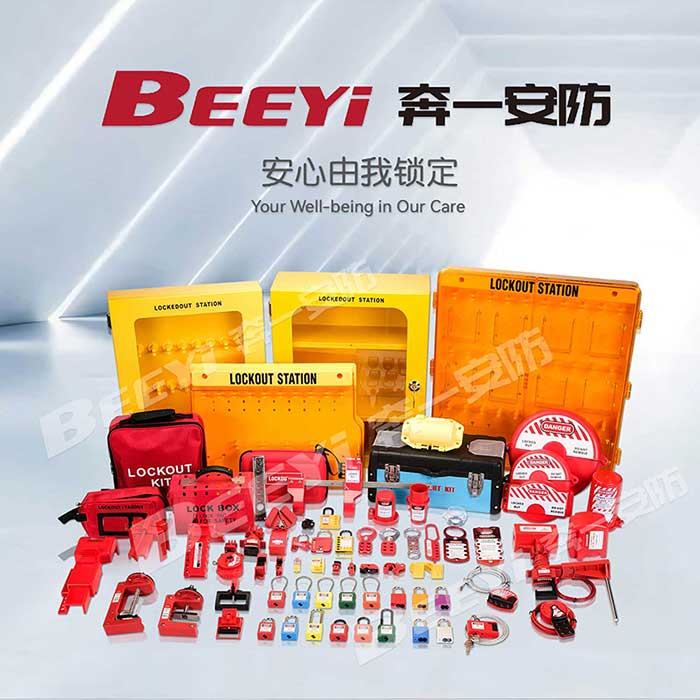
What is a LOTO Valve Lock? A LOTO valve lock is a mechanical device designed to lock a valve in either the open or closed position during maintenance or repair work. This ensures that the valve cannot be operated accidentally, either by unauthorized personnel or by equipment malfunction. By securing the valve, the LOTO valve lock prevents the inadvertent release of hazardous materials or energy, such as electricity, steam, or compressed air, which could cause harm to workers or compromise the integrity of the work process. LOTO valve locks are often used in conjunction with other lockout devices and tags as part of a comprehensive lockout/tagout safety program. The locks themselves are typically designed to fit around the handle or actuator of a valve, making it impossible to move the valve without first unlocking the device. The lockout process is supported by safety tags, which provide clear warnings and identify the worker responsible for the lockout.