Relays are essential components in many electrical and electronic systems, acting as switches to control circuits. One of the most critical specifications of a relay is its current rating, which dictates the maximum amount of current that the relay can safely handle while maintaining reliable operation. The relay current rating ensures that the relay can switch electrical loads without causing damage to the device or creating safety hazards. In this article, we will explore the importance of relay current ratings, how they are determined, and the key considerations when selecting a relay for specific applications.
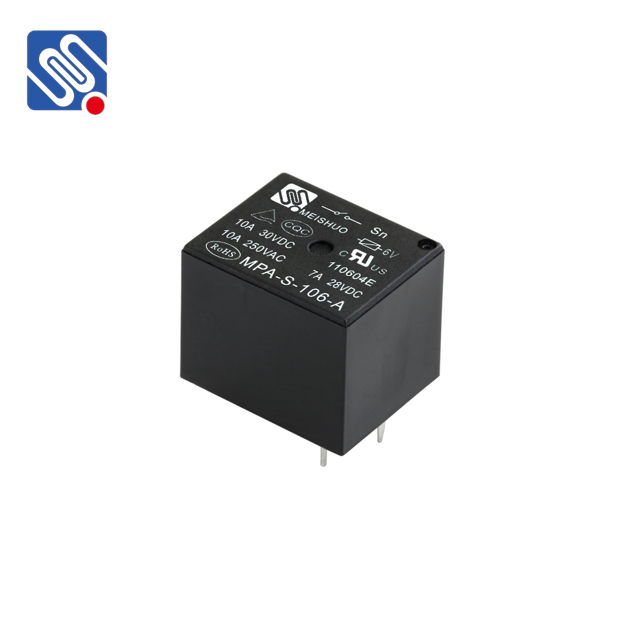
What is Relay Current Rating? The relay current rating refers to the maximum current a relay’s contacts can safely carry when they are in the closed position. It is a key specification, typically indicated in amperes (A), that defines the safe operating limits of the relay for both AC (alternating current) and DC (direct current) applications. When a relay is used in a circuit, it switches electrical current on or off, controlling the flow of electricity to a connected load. If the current flowing through the relay exceeds its rated current, the relay’s contacts can overheat, causing irreversible damage or failure. Therefore, understanding and correctly choosing a relay with the appropriate current rating for a given application is crucial for the safety and longevity of the equipment.