In today’s world of advanced technology, industries and businesses are constantly seeking innovative solutions to improve their systems’ performance and reliability. One such technological advancement is the Solid State Relay (SSR), a device that has revolutionized the way electrical switching is achieved. Unlike traditional electromechanical relays, which rely on mechanical moving parts, SSRs operate using semiconductor technology, offering several advantages such as faster response times, durability, and silent operation.
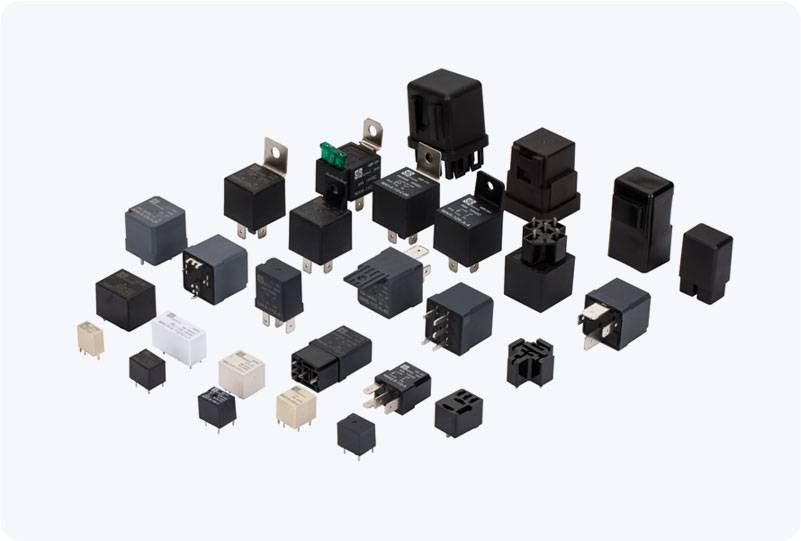
What is a Solid State Relay (SSR)? A Solid State Relay (SSR) is an electronic switching device that is used to control electrical loads without the need for mechanical parts. Unlike traditional relays, which use an electromagnetic coil and a moving armature to open and close contacts, SSRs employ semiconductors (such as triacs, thyristors, or MOSFETs) to perform the switching action. The key characteristic of an SSR is that it provides electrical isolation between the control side (input) and the load side (output), typically using a photo-coupler or an optoisolator. Working Principle of SSR