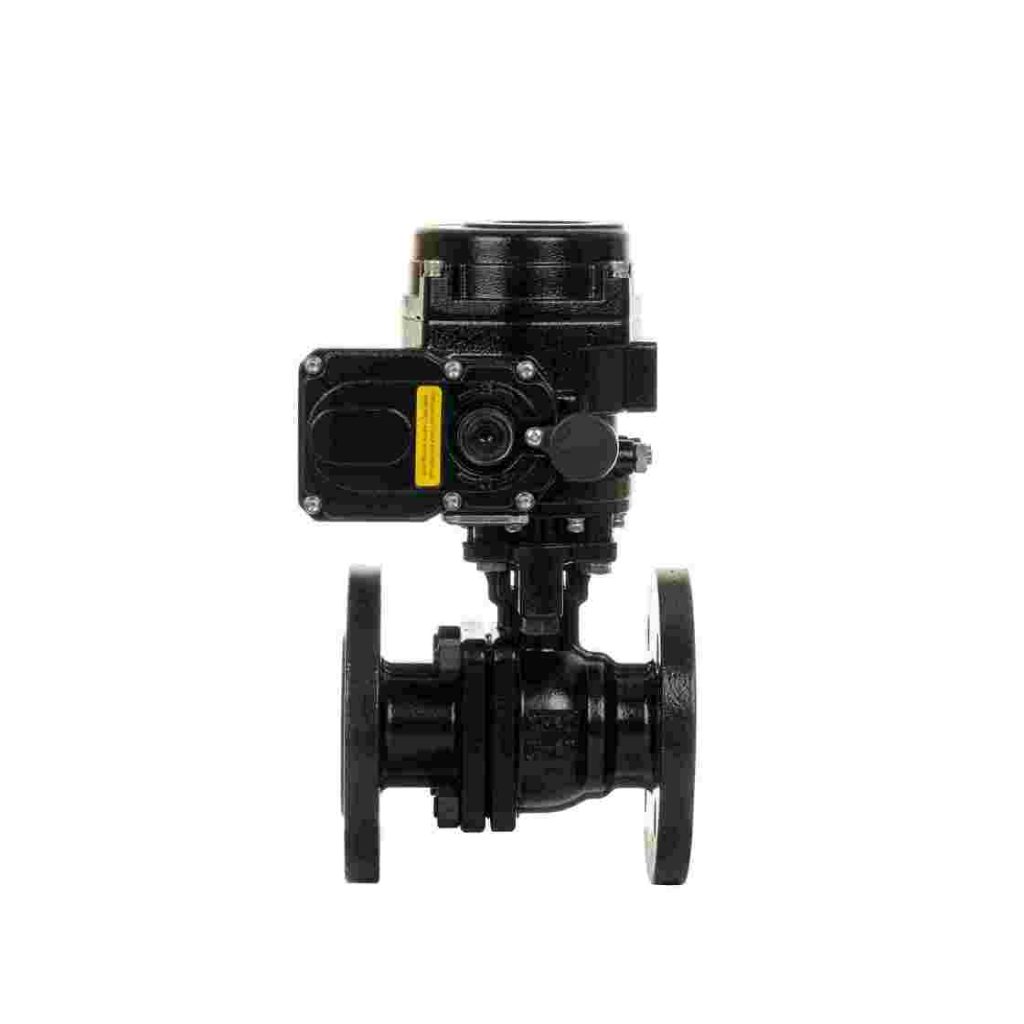
In the modern industrial landscape, the use of lithium batteries has become ubiquitous, powering a wide range of devices and systems due to their efficiency, high energy density, and long lifespan. Among these applications, one of the most innovative uses of lithium batteries is in the development of electric valves, often referred to as lithium battery electric valves. These valves, powered by lithium batteries, are making significant contributions to various industries, from water management systems to energy storage solutions. This article explores the advantages, applications, and challenges of integrating lithium batteries with electric valves, highlighting their impact on modern automation systems.
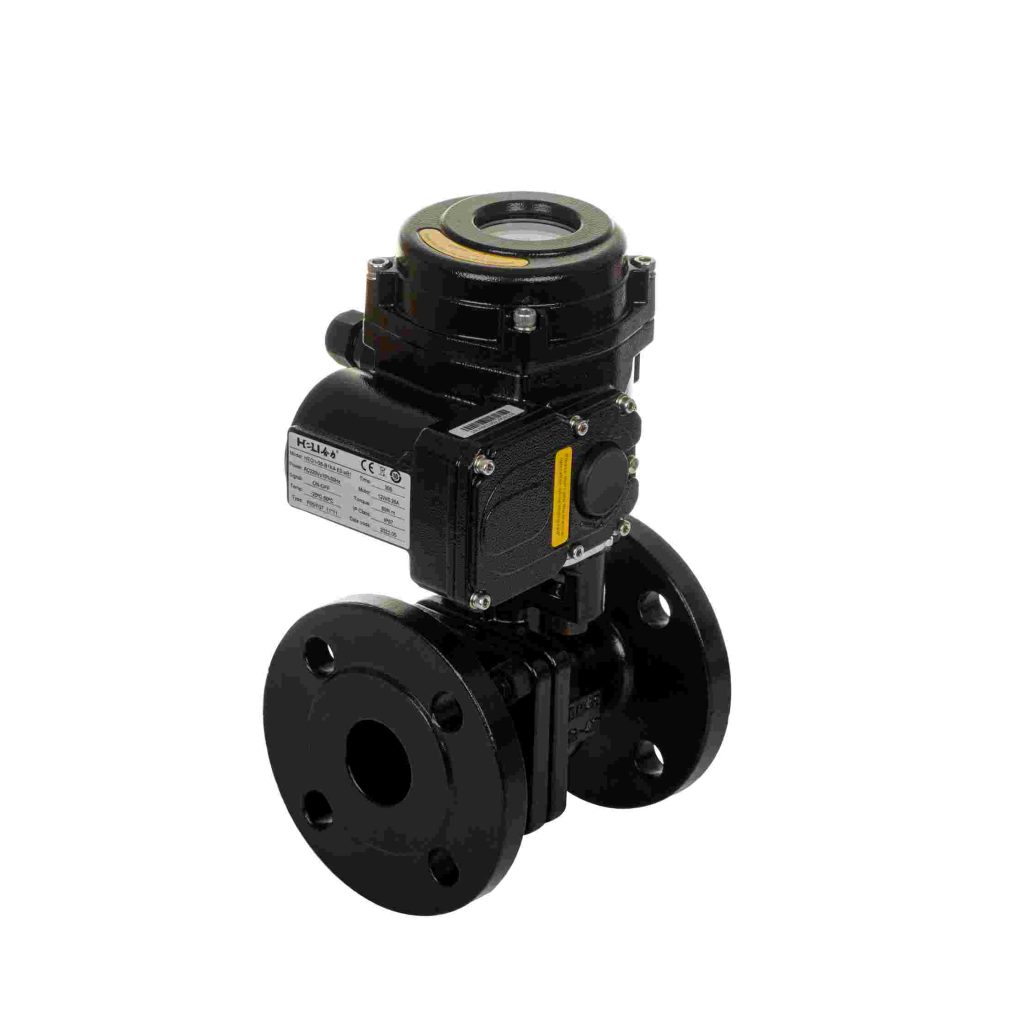
What is a Lithium Battery Electric Valve?
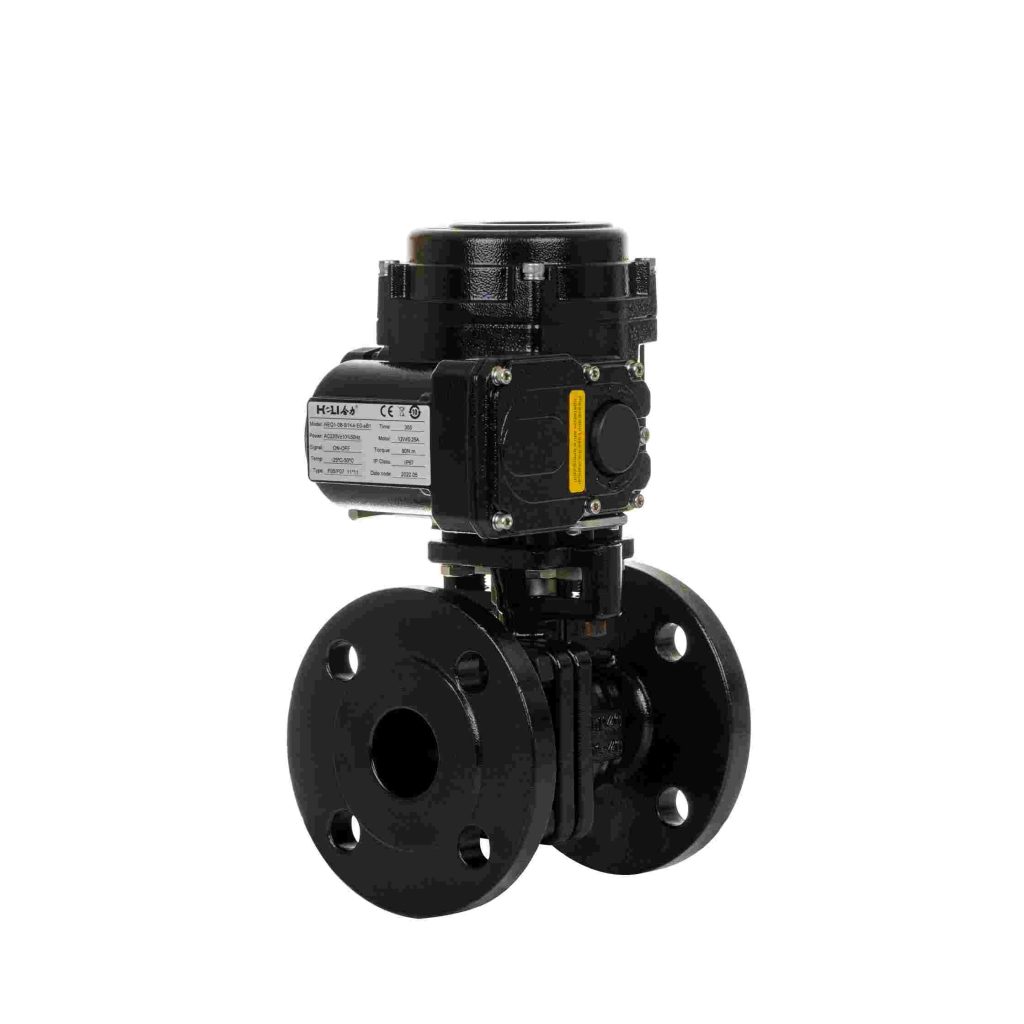
A lithium battery electric valve is an electromechanical device that utilizes a lithium battery to power the operation of a valve. Unlike traditional valves, which rely on external power sources or manual operation, electric valves are electronically controlled. The integration of lithium batteries allows these valves to operate autonomously, providing flexibility and reducing the need for complex wiring systems. These valves can control the flow of liquids, gases, or other materials in a system, making them an essential component in many automated processes. The lithium battery is key to ensuring that the valve operates efficiently without needing constant external power sources. This feature is especially beneficial in remote locations or areas where electrical infrastructure is lacking or unreliable. The lithium battery ensures that the valve can be powered for extended periods, often in conjunction with energy-saving features, such as low-power operation modes.