Relay technology has long been a fundamental component in various electrical and electronic systems, playing an essential role in automation, control, and protection. By leveraging the principle of electromagnetism, relays enable the switching of electrical circuits with minimal input, making them crucial for a wide array of applications. This article explores the working principles, types, and applications of relay technology, highlighting its continued relevance in modern engineering.
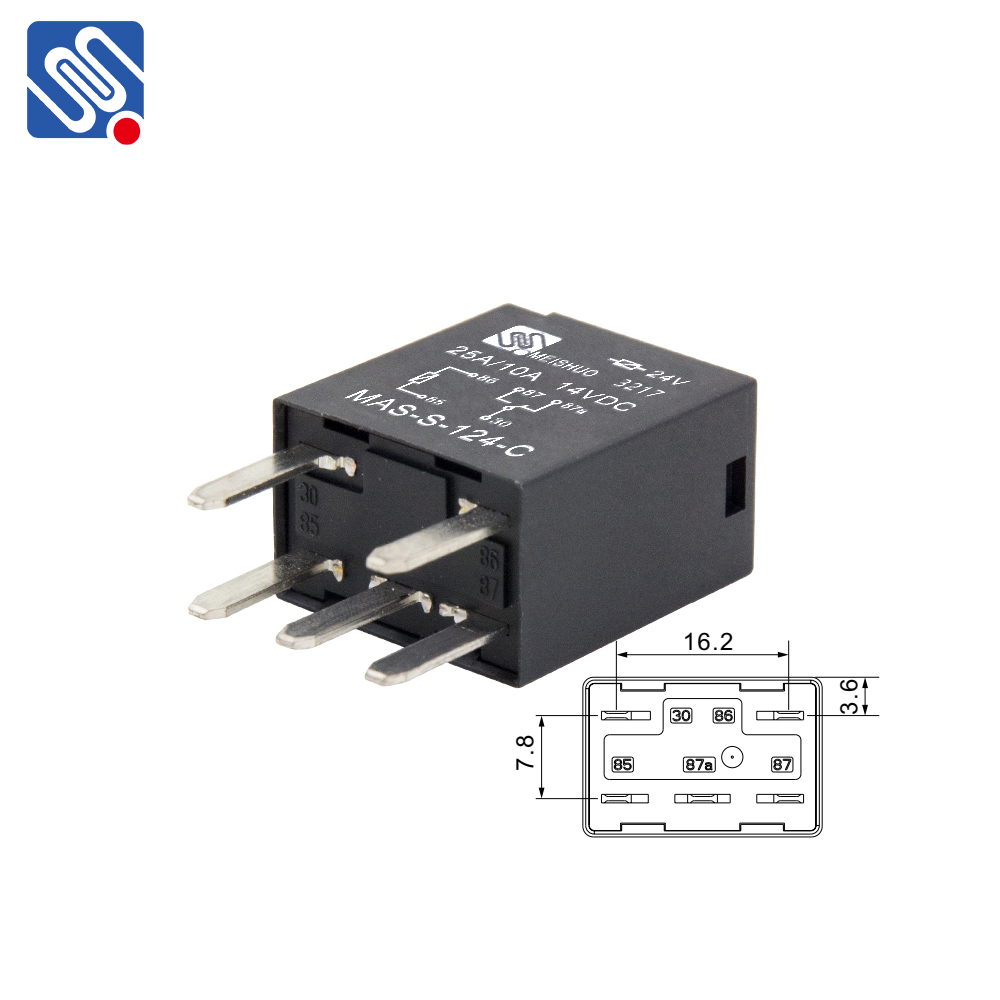
Working Principle of Relay Technology At its core, a relay is an electrically operated switch. It consists of an electromagnet, a set of contacts, and a mechanical armature. When an electric current flows through the electromagnet, it generates a magnetic field that attracts the armature, causing the contacts to either open or close. This simple mechanism allows relays to control higher-power circuits with the use of a much smaller control signal. There are two main types of relay contacts: Normally Open (NO) and Normally Closed (NC). In a Normally Open relay, the contacts are open when the relay is not energized, and the circuit is disconnected. Once the relay is activated, the contacts close, completing the circuit. Conversely, in a Normally Closed relay, the contacts are initially closed, and when the relay is energized, they open, breaking the circuit.