In the food and beverage industry, maintaining hygiene, safety, and quality is paramount. A crucial component in ensuring these standards are met is the Food Grade Solenoid Valve. These valves are used in a variety of processes such as filling, dispensing, and controlling the flow of liquids and gases, making them an integral part of production lines in food factories and packaging plants. In this article, we will explore the importance of food grade solenoid valves, their applications, and the standards that govern their design and usage.
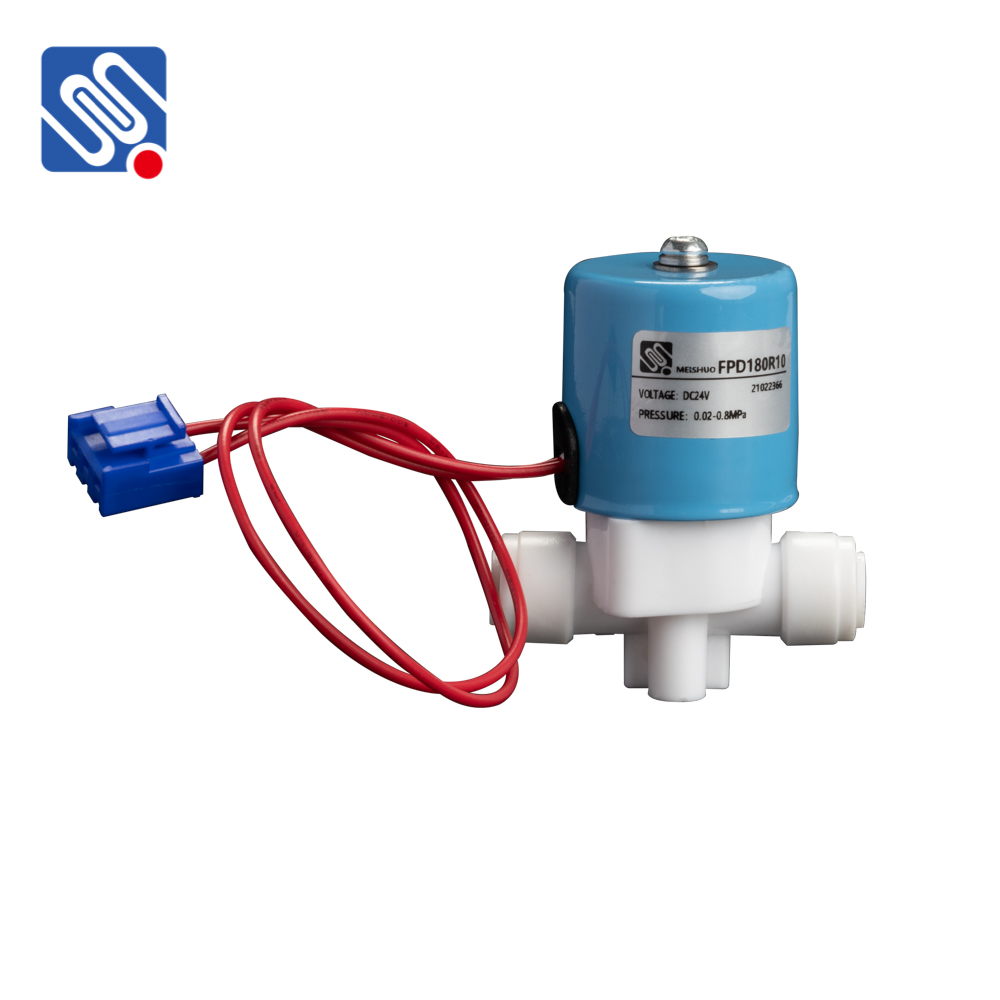
What is a Food Grade Solenoid Valve? A Food Grade Solenoid Valve is a type of valve that uses an electrically controlled solenoid to regulate the flow of fluids or gases. Unlike regular solenoid valves, which can be made from a variety of materials, food grade solenoid valves are constructed with materials that meet food safety standards. These materials include food-grade stainless steel, FDA-approved plastics, and rubber seals that are resistant to contamination and degradation, ensuring that no harmful substances leach into the food or beverages being processed. The solenoid mechanism consists of a coil of wire, which, when energized, generates a magnetic field to move a plunger or armature. This action opens or closes the valve, controlling the flow of fluid through the system. The key distinction of food grade solenoid valves is that they are designed with cleanliness and safety in mind, making them suitable for use in food processing, beverage production, dairy, pharmaceuticals, and other industries where sanitary conditions are essential.