Lockout equipment is a vital component of industrial safety, especially in workplaces where machines and equipment pose a risk of unexpected startup during maintenance or repair activities. The lockout/tagout (LOTO) procedures, central to maintaining worker safety, ensure that energy sources such as electricity, gas, hydraulic pressure, or mechanical forces are completely isolated and cannot harm workers. This article explores the significance of lockout equipment, its types, and how it helps maintain safety standards in various industries.
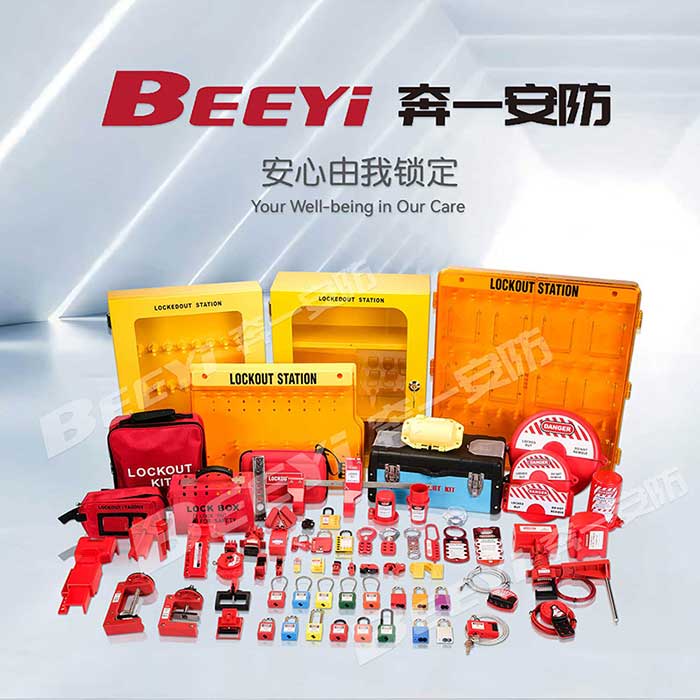
What is Lock Out Equipment? Lockout equipment refers to the tools and devices used to prevent the release of hazardous energy during maintenance, repair, or service activities on machinery and equipment. The core principle behind lockout equipment is simple: it physically locks out energy sources, preventing machinery from being accidentally energized or started. This is critical in industrial settings, where malfunctioning or unexpected activation of equipment can lead to severe injuries or even fatalities. Lockout/tagout is the process that involves the use of such equipment, including locks, tags, and other devices, to control hazardous energy sources during maintenance procedures. It not only safeguards workers but also ensures compliance with various safety regulations, reducing the risk of workplace accidents.