In today’s world, where water conservation and efficient agricultural practices are crucial, irrigation systems play a key role in ensuring that crops, plants, and lawns receive the right amount of water. Among the various components of an irrigation system, the Watering System Solenoid Valve is one of the most important and commonly used. This valve is an essential part of the automation and control process in irrigation, offering a high degree of precision and reliability. In this article, we will explore the function, applications, advantages, and considerations for choosing a solenoid valve for your watering system.
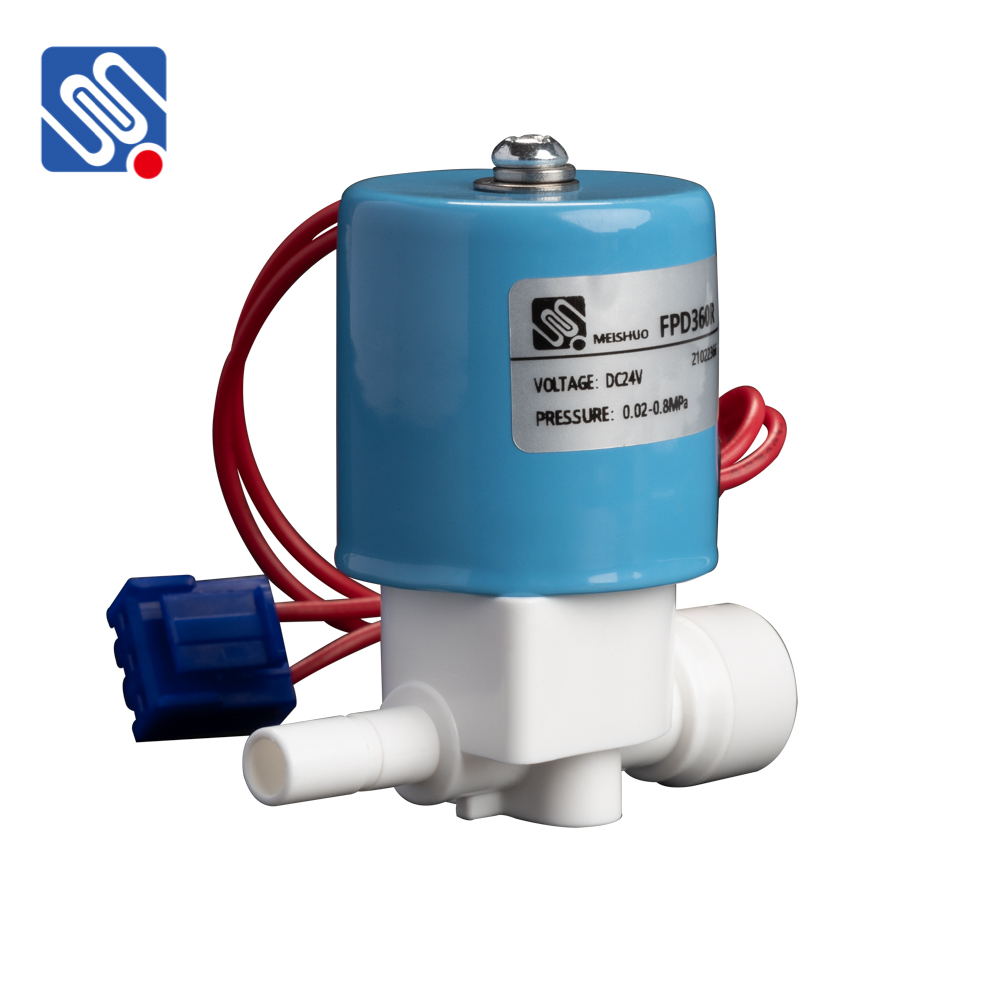
What is a Watering System Solenoid Valve? A Watering System Solenoid Valve is an electrically operated valve that controls the flow of water in an irrigation system. The valve uses an electromagnetic coil, or solenoid, to open or close the valve, allowing water to pass through when required. When the solenoid is energized, it creates a magnetic field that moves the valve’s internal mechanism, either opening or closing the valve. When the electrical signal is turned off, the valve closes automatically, stopping the flow of water. How Does a Solenoid Valve Work? The solenoid valve operates on a simple yet effective principle. It consists of a solenoid coil, valve body, diaphragm, and spring. When the electric current flows through the solenoid, the coil generates a magnetic field. This field pulls the diaphragm or valve stem, which either opens or closes the valve. The spring in the valve helps return the diaphragm or stem to its default position when the electric current is turned off, which closes the valve and stops the water flow.