A Low Voltage DC Relay is a type of electromechanical switch that operates on a low-voltage direct current (DC) circuit. It functions similarly to traditional relays but is specifically designed to control low-voltage DC circuits, typically in applications that require reliable switching of small to medium loads. This article will explore the basic principles of how a Low Voltage DC Relay works, its key features, and the various applications that benefit from its use.
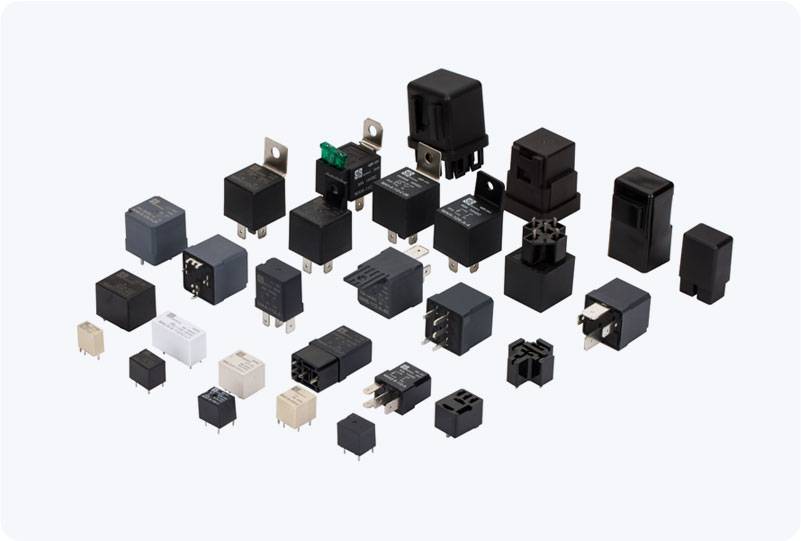
Working Principle The operation of a Low Voltage DC Relay is based on the interaction between an electromagnet and a set of contacts that can open or close depending on the input signal. When a DC voltage (such as 12V or 24V) is applied to the relay’s coil, it creates a magnetic field. This magnetic field attracts a movable armature, causing the switch contacts to either close (allowing current to flow) or open (interrupting the circuit). This allows the relay to control high-power or high-current circuits using a low-power DC signal. One of the key features of relays is their ability to isolate the control side (low-voltage) from the load side (high-voltage), offering protection to the low-voltage electronics or microcontrollers that are controlling the relay.