Time delay relays (TDR) play a crucial role in modern automation and control systems, offering a wide range of applications across various industries. From ensuring the proper sequencing of electrical devices to protecting machinery from damage caused by frequent switching, time delay relays provide essential functionality in today’s increasingly automated world. This article will explore the significance, working principle, applications, and types of time delay relays, shedding light on their importance in the realm of electrical engineering and automation.
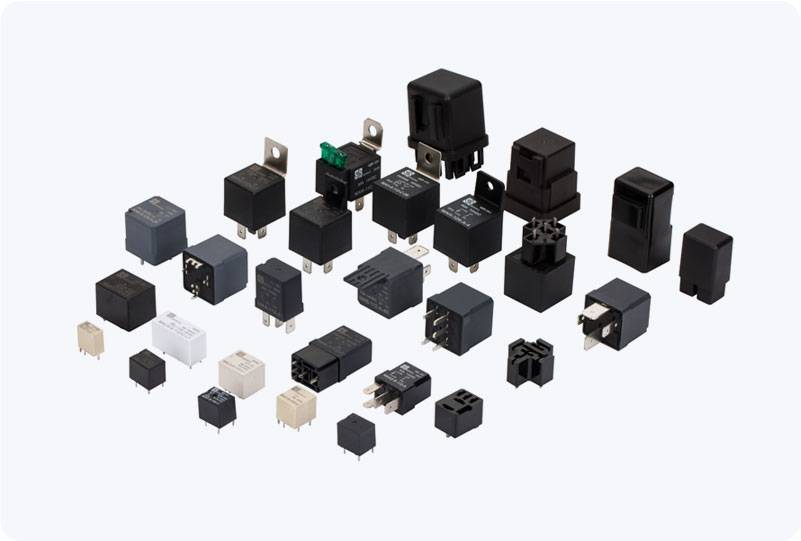
What is a Time Delay Relay? A Time Delay Relay is an electrical relay that introduces a time delay between the application of an input signal and the activation or deactivation of its output. In simpler terms, it delays the relay’s action for a preset amount of time after receiving a trigger signal. The delay can range from milliseconds to several minutes, depending on the application and the settings of the relay. Time delay relays are typically used to control or regulate electrical circuits, ensuring that devices or machines do not operate instantaneously but follow a desired timing sequence. This timing feature is often necessary to prevent problems like equipment damage, overloading, or system instability.