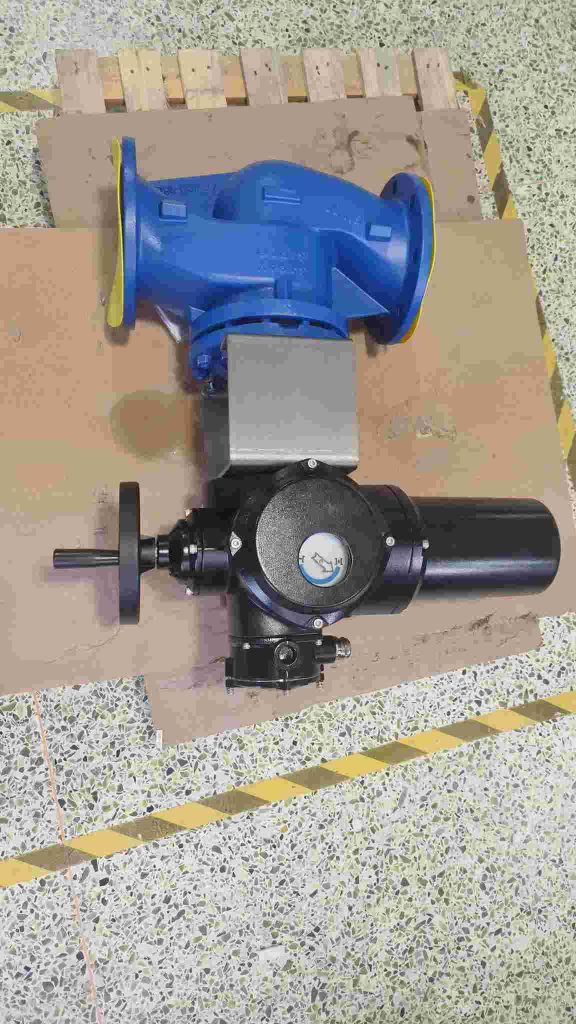
WCB Electric Bellows Stop Valve is an advanced valve technology that combines the reliability of bellows sealing with the precision and automation of electric actuation. This unique combination makes it highly effective in managing fluid flow in various industrial systems, particularly where high-pressure, high-temperature, and leak-proof operations are crucial. In this article, we will explore the features, working principles, applications, and advantages of the WCB Electric Bellows Stop Valve, making it clear why it is an essential component in modern industrial flow control.
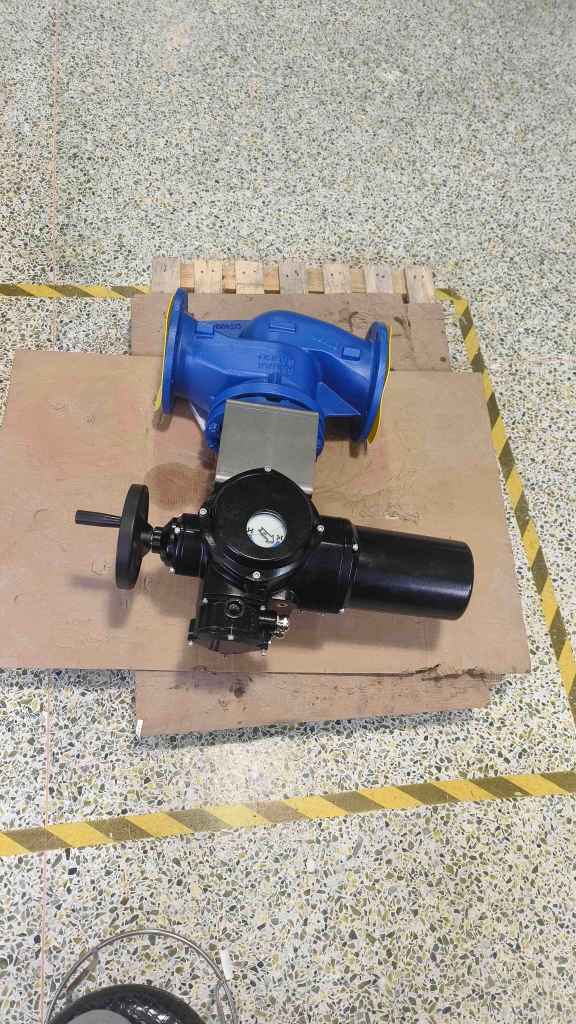
What is a WCB Electric Bellows Stop Valve?

A WCB Electric Bellows Stop Valve is a type of shut-off valve used primarily to control the flow of fluids in pipes. Its distinguishing feature is the use of a bellows seal combined with an electric actuator, which ensures a higher degree of sealing reliability and automation compared to conventional valves. The WCB (a reference to the material commonly used for such valves—carbon steel) construction provides the strength and durability needed for demanding industrial environments. Key Features of the WCB Electric Bellows Stop Valve Bellows Seal Technology: The most defining feature of this valve is its bellows seal. The bellows are made of high-quality material, designed to withstand the thermal and mechanical stresses found in harsh environments. This seal eliminates the traditional packing seals and reduces the risk of leakage significantly. In industries like chemical processing, oil refining, and power generation, where fluid leakage can be hazardous or costly, the bellows technology provides a reliable and durable solution.