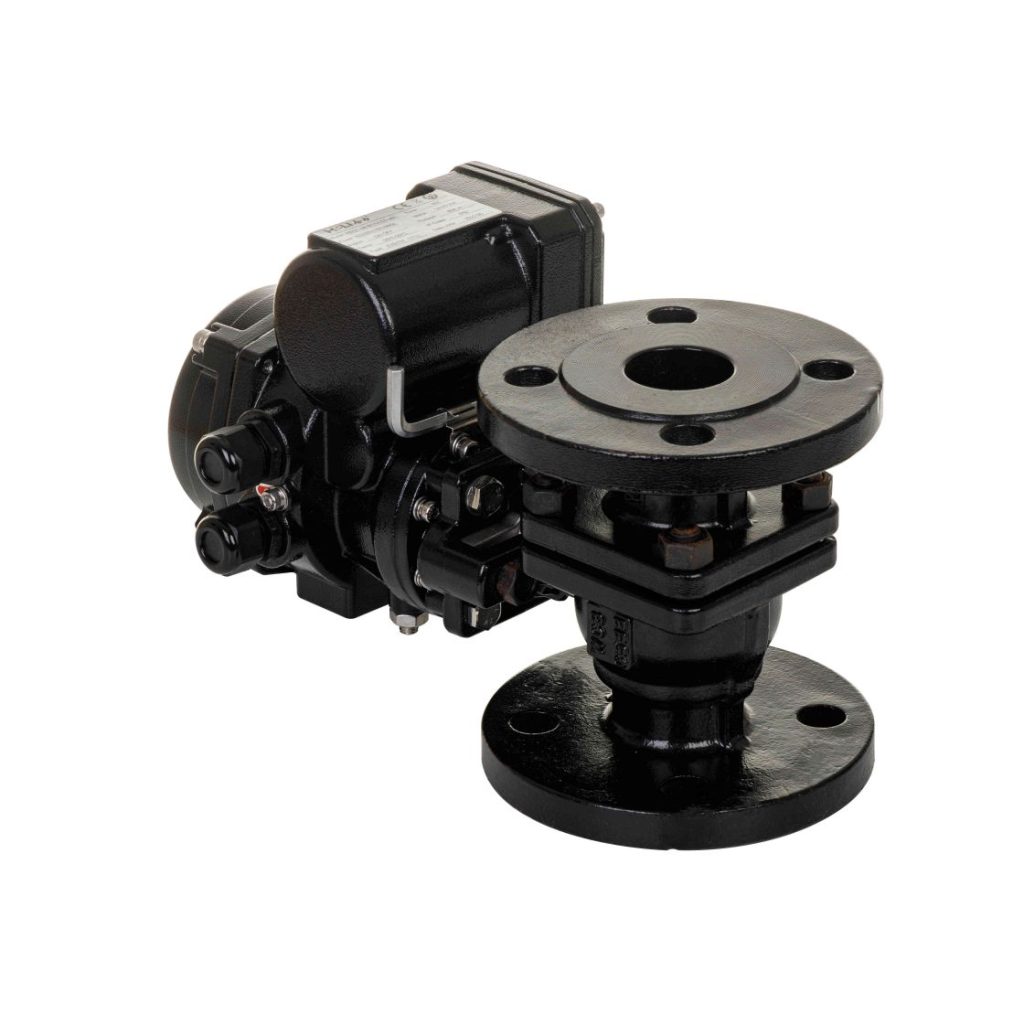
Stainless steel electric flange ball valves are increasingly becoming a preferred choice for fluid control across a wide range of industries. This valve type is known for combining robustness, efficiency, and automation capabilities, making it ideal for modern applications where precise control is crucial. In this article, we will delve into the composition, advantages, applications, and key considerations when selecting stainless steel electric flange ball valves.
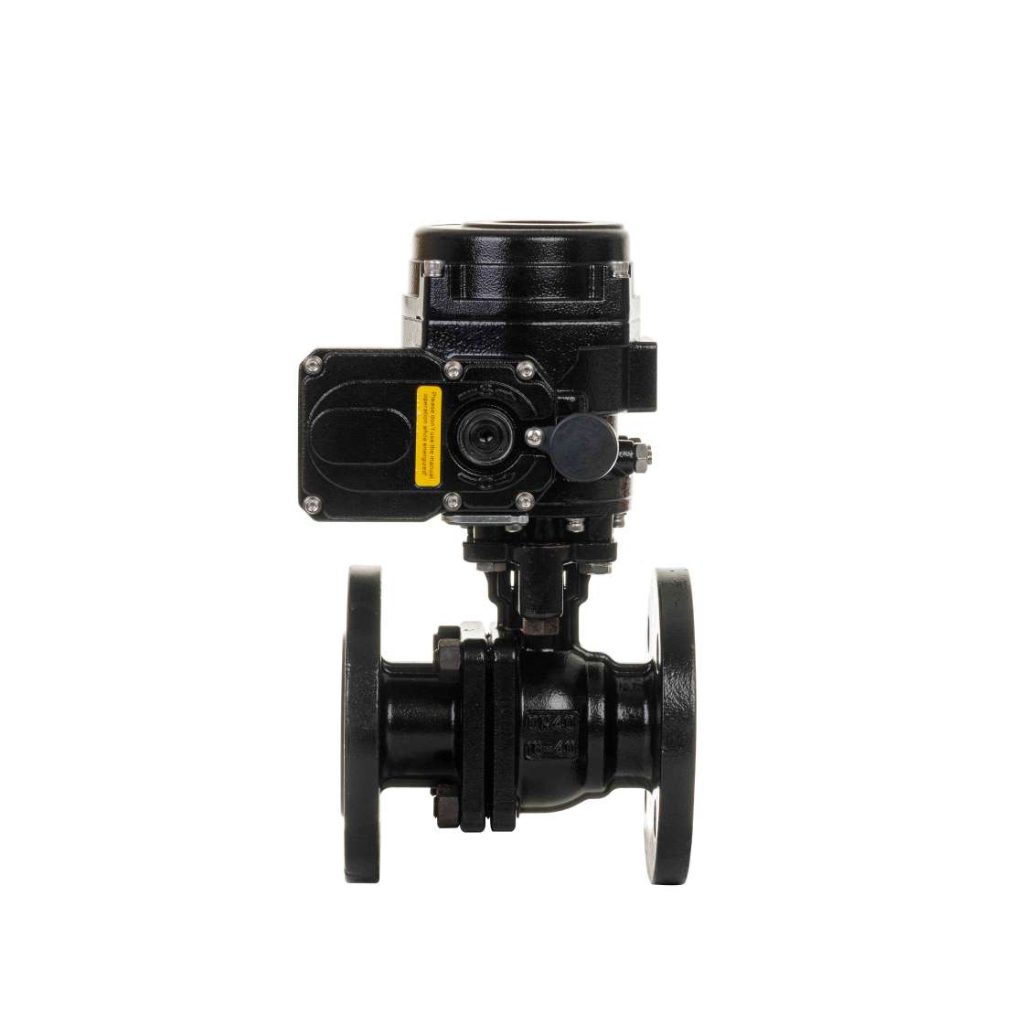
Composition and Structure
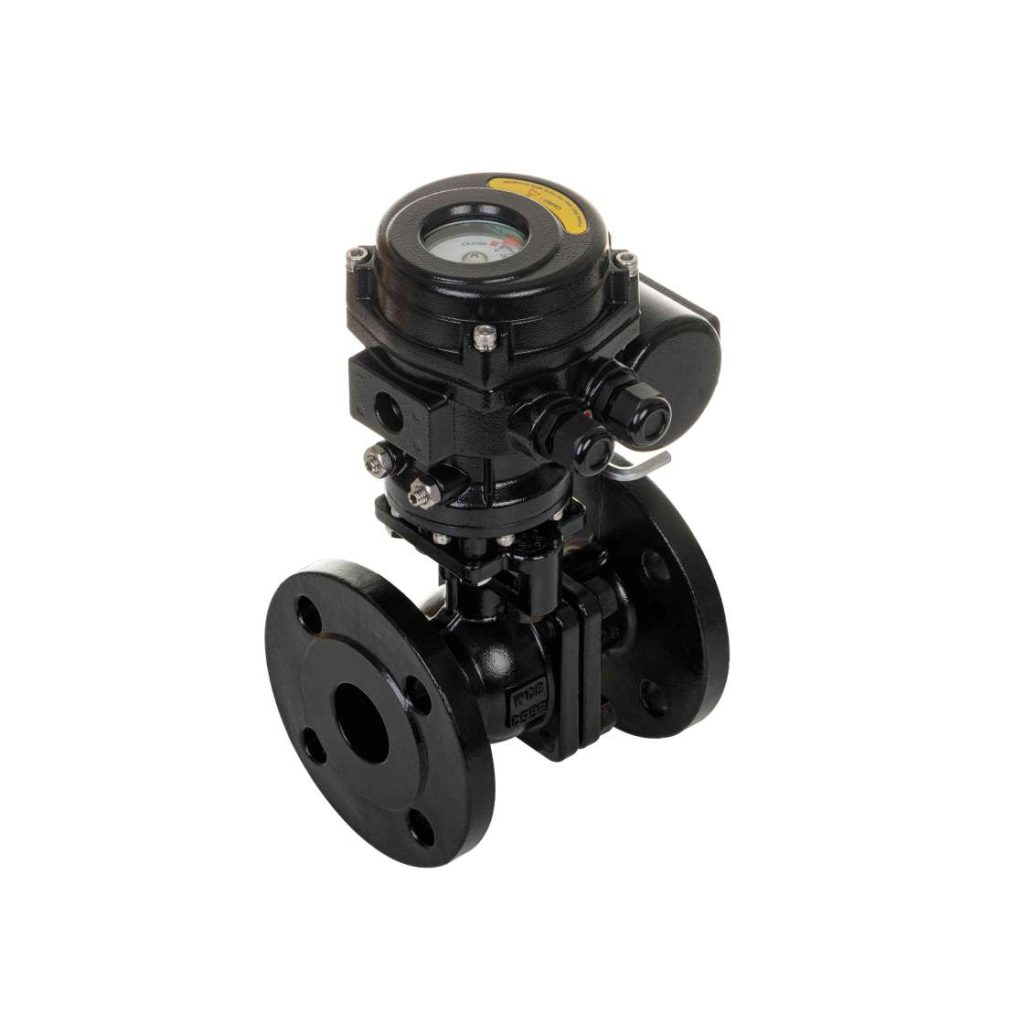
Stainless steel electric flange ball valves are primarily constructed from high-quality stainless steel, often 304 or 316 grades. These materials are chosen for their excellent corrosion resistance and strength, making them suitable for both low and high-temperature applications. The ball valve design consists of a spherical body that rotates within the valve to control fluid flow. The flanged ends allow for easy installation into existing piping systems, providing a secure and reliable connection. The electric actuator, attached to the valve, plays a vital role in its functionality. It enables the valve to be operated remotely, utilizing electric signals for open and close commands. This setup not only streamlines operations but also reduces manual labor, contributing to overall efficiency in industrial processes.