Reverse Osmosis (RO) technology is widely recognized as one of the most effective methods for purifying water, and its application spans from household water filters to large industrial systems. One of the crucial components in an RO system is the Reverse Osmosis Solenoid Valve. This device plays a key role in controlling the water flow, ensuring efficient operation and protecting the system from overpressure or leakage. In this article, we will explore the functions, importance, and design aspects of the Reverse Osmosis Solenoid Valve, and how it contributes to the overall performance of the water treatment system.
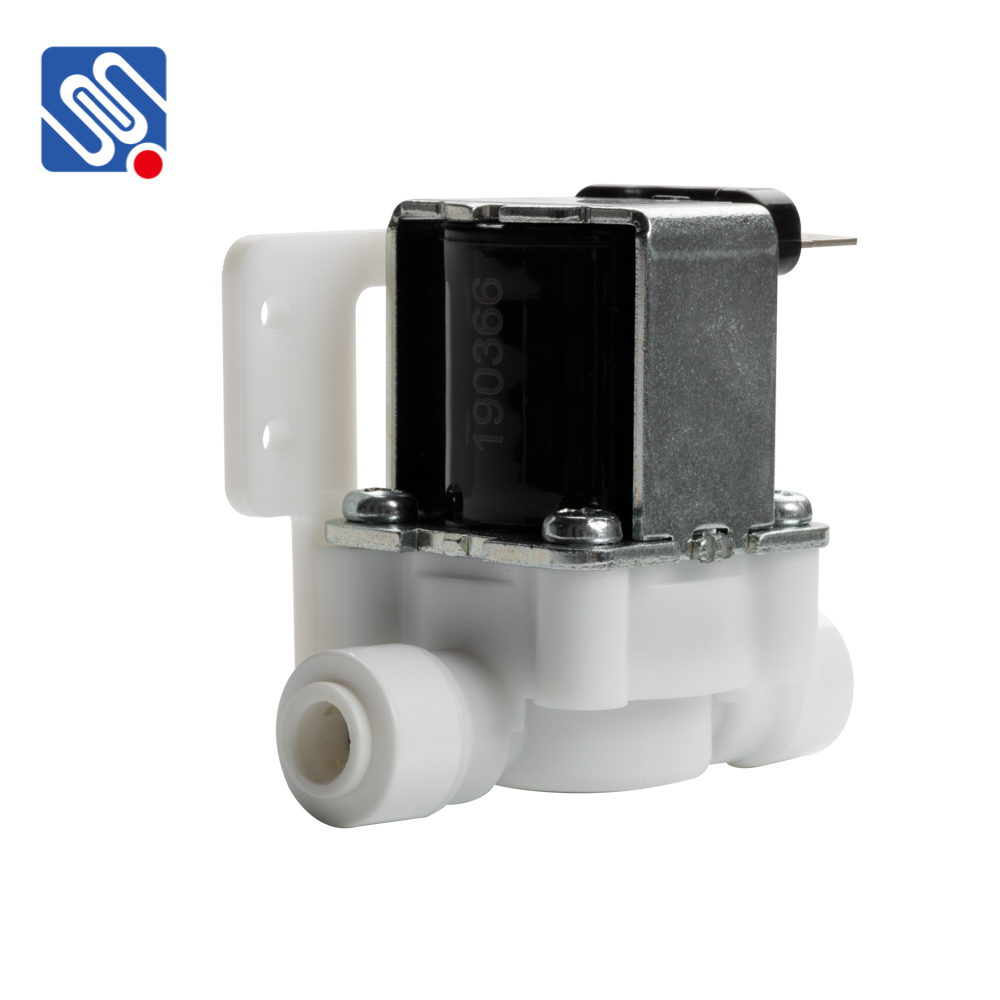
The Role of the Reverse Osmosis Solenoid Valve The Reverse Osmosis Solenoid Valve is an electromechanical valve used to control the flow of water in reverse osmosis systems. It operates via an electromagnetic coil that opens or closes the valve depending on the electrical current supplied to it. Essentially, this valve ensures that water flows only when necessary, and it is particularly important for managing water intake and waste discharge in an RO system. 1. Water Flow Control The primary function of the solenoid valve in an RO system is to regulate water flow. By opening and closing the valve, it controls when water enters the filtration system. This helps prevent unnecessary waste of water and ensures that the system operates only when needed. For instance, when the water tank reaches its full capacity, the solenoid valve can close automatically, halting further water intake until the level drops again.