A general-purpose relay is a widely used electrical device that plays a crucial role in various control and automation systems. It allows low-power control signals to operate high-power circuits, enabling efficient switching and control of electrical equipment. This article provides an overview of the general-purpose relay, its working principle, components, and applications in modern technology.
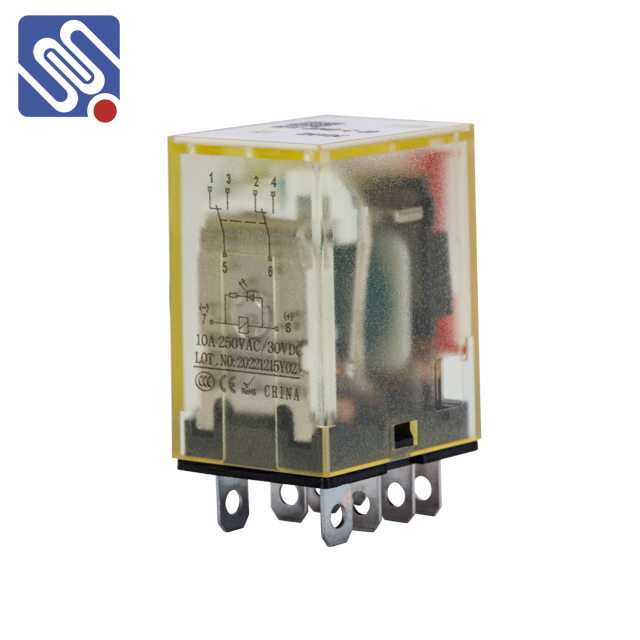
What is a General-purpose Relay? A general-purpose relay is an electromechanical switch used to control the flow of electricity in a circuit. It is typically used to switch high-power circuits on or off using a low-power input signal, thereby protecting sensitive control systems from high-voltage or high-current exposure. The basic function of a relay is to open or close electrical contacts based on the input signal, which can come from a variety of sources such as sensors, timers, or other control systems. Components and Working Principle A general-purpose relay consists of several key components that work together to perform its switching function: