A relay load is a concept that arises in the context of using electromagnetic relays to control electrical circuits. A relay, a type of electromechanical switch, allows a low-power control signal to switch a high-power circuit, making it essential for controlling large electrical loads with minimal effort. Whether it’s controlling household appliances, industrial machinery, or automating complex processes, the ability to handle relay loads safely and efficiently is crucial. In this article, we will explore what a relay load is, how relays work, different types of loads they can control, and key considerations when using them in practical applications.
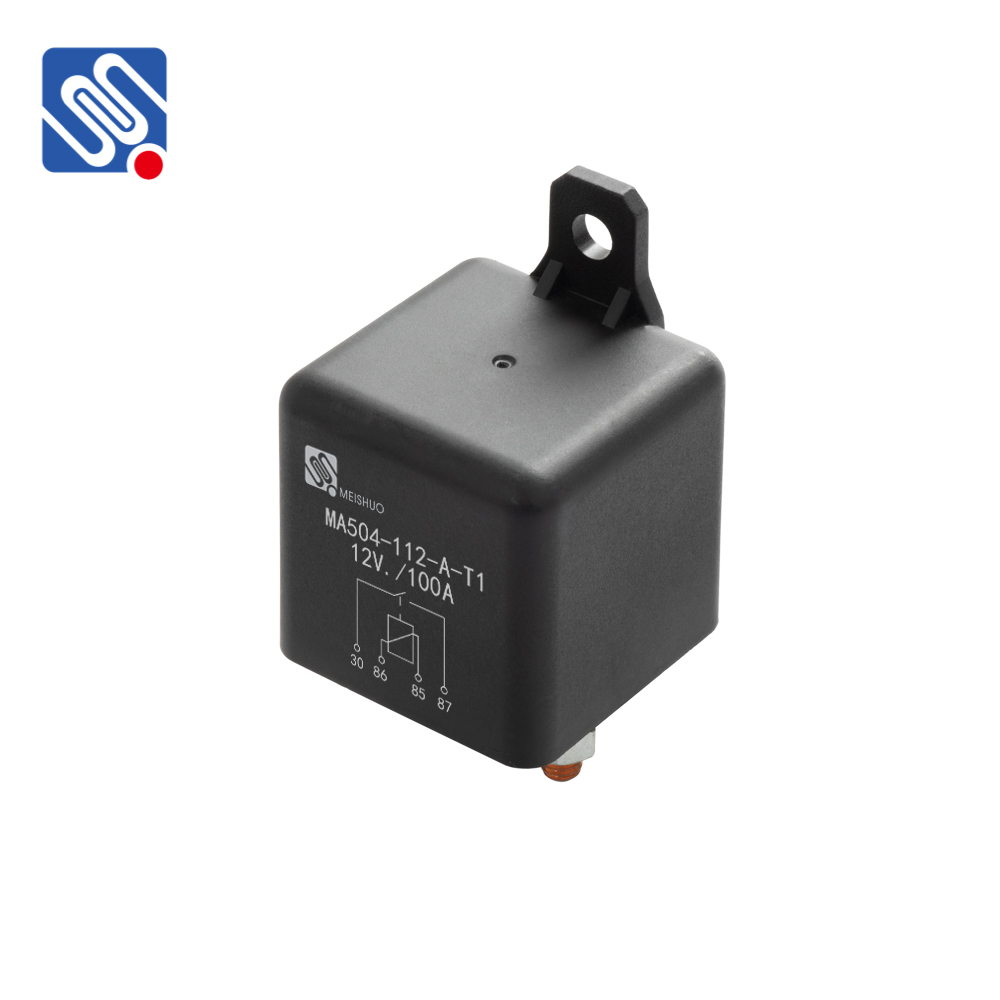
What is a Relay Load? A relay load refers to the electrical load that is controlled by a relay. The relay acts as an intermediary switch that connects and disconnects the load based on an external signal. This allows for the automation of circuits, where a low-voltage signal (typically from a microcontroller or a manual switch) is used to control devices that operate at much higher voltages and currents. These can range from simple household appliances to large industrial machines. Relays are widely used because they enable electrical isolation between the control circuit and the load circuit, offering a level of protection to sensitive components in the control system. A relay load typically consists of devices like motors, lights, heaters, and other equipment that require substantial power to operate.