Relays have become indispensable components in modern electrical and electronic systems, serving as a bridge between low-power control signals and high-power loads. Understanding relay characteristics is crucial for engineers and technicians in order to ensure reliable operation and optimal performance in various applications, from industrial automation to home appliances. This article delves into the fundamental aspects of relay characteristics, providing a comprehensive overview that can aid in informed decision-making during circuit design and selection.
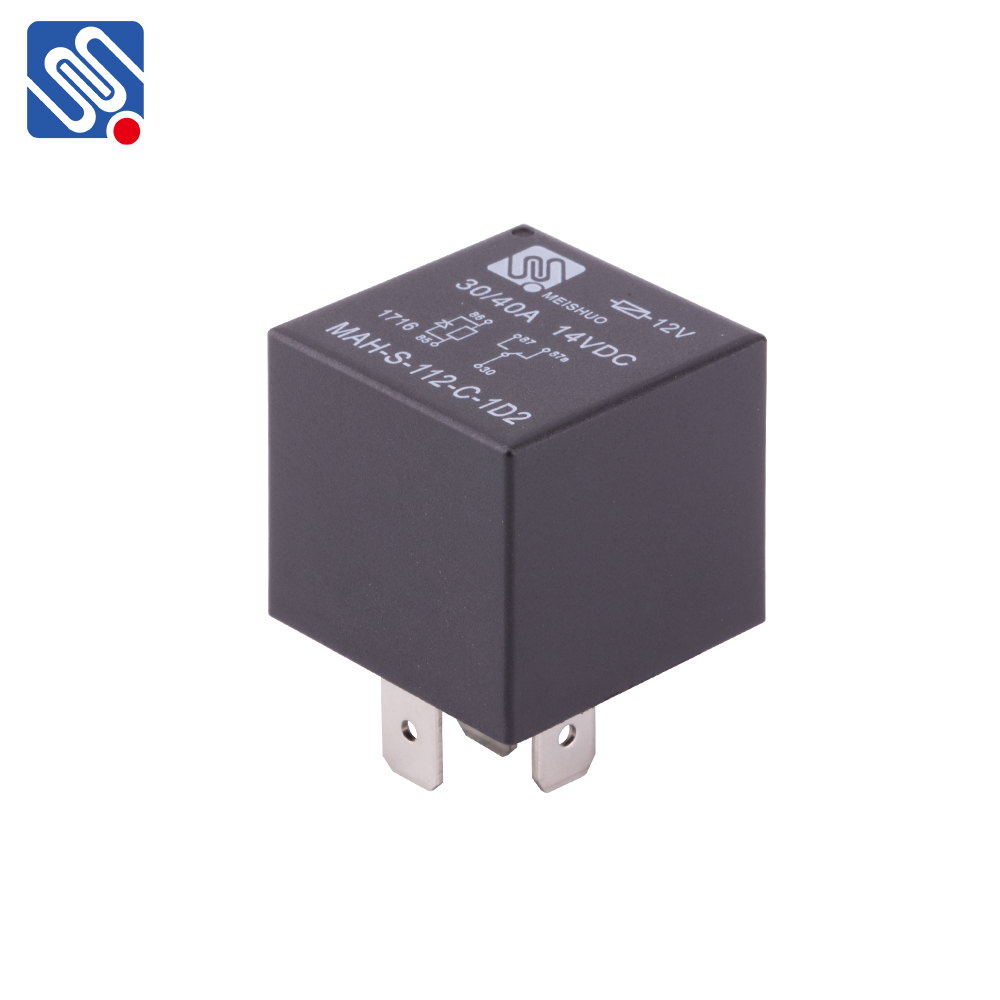
1. Definition and Functionality A relay is an electrically operated switch that uses an electromagnetic coil to mechanically operate one or more sets of contacts. When a voltage is applied to the coil, it generates a magnetic field, which moves the armature to close or open the contacts, thus controlling the flow of current in a separate circuit. This capability allows small input signals to control larger loads, providing isolation and protection for sensitive components. 2. Contact Configuration One of the primary characteristics of relays is their contact configuration. There are typically two types of contacts: