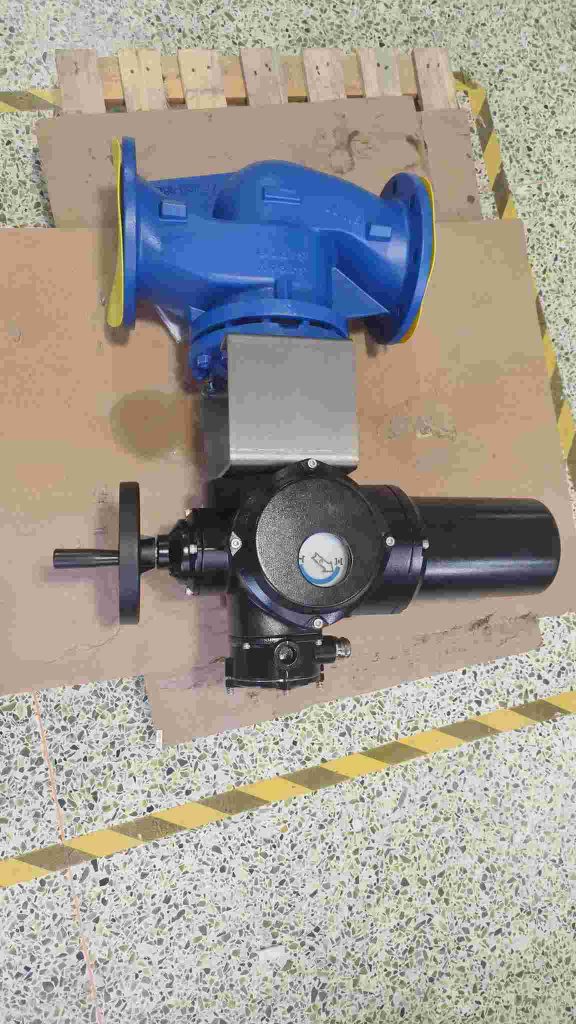
The Electric Globe Valve is a crucial component in many automated control systems, providing precise regulation of fluid flow in various industries. It combines the versatility of a globe valve with the accuracy and efficiency of an electric actuator, allowing for both manual and remote operation. This valve type is integral in processes where flow control and throttling are necessary, offering significant advantages in performance and reliability. This article will explore the working principles, applications, advantages, and challenges associated with electric globe valves.
Working Principles
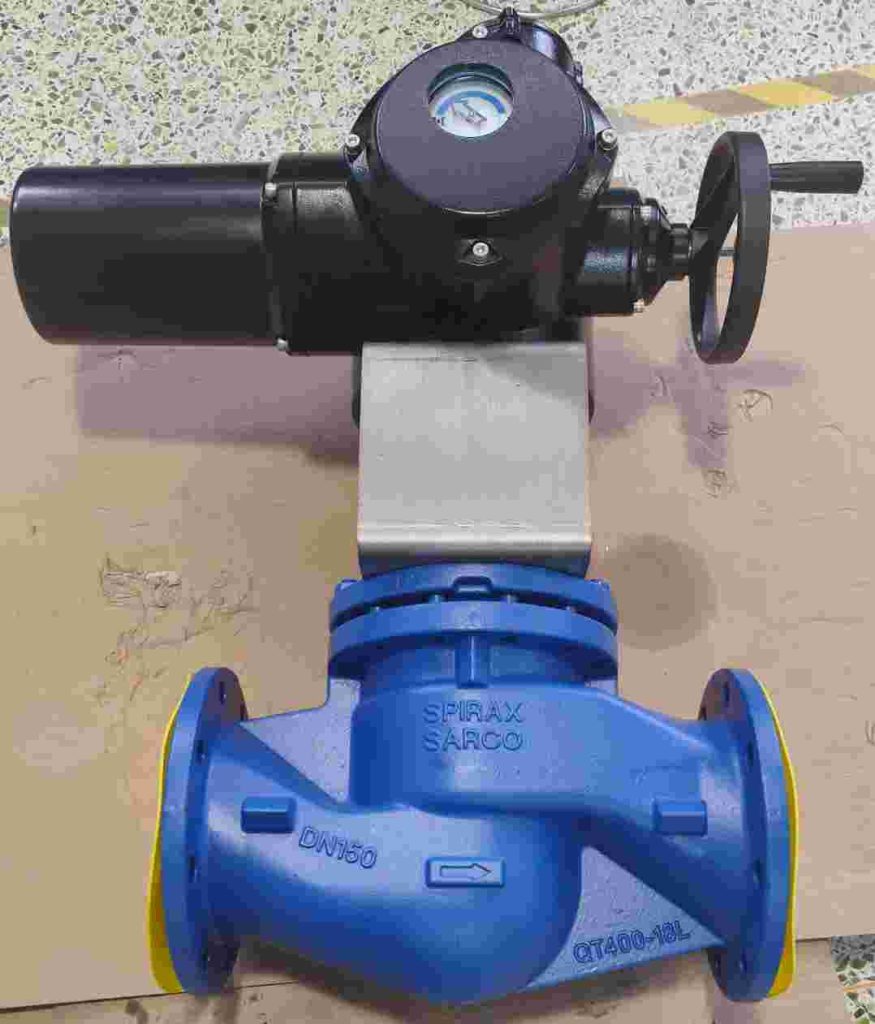
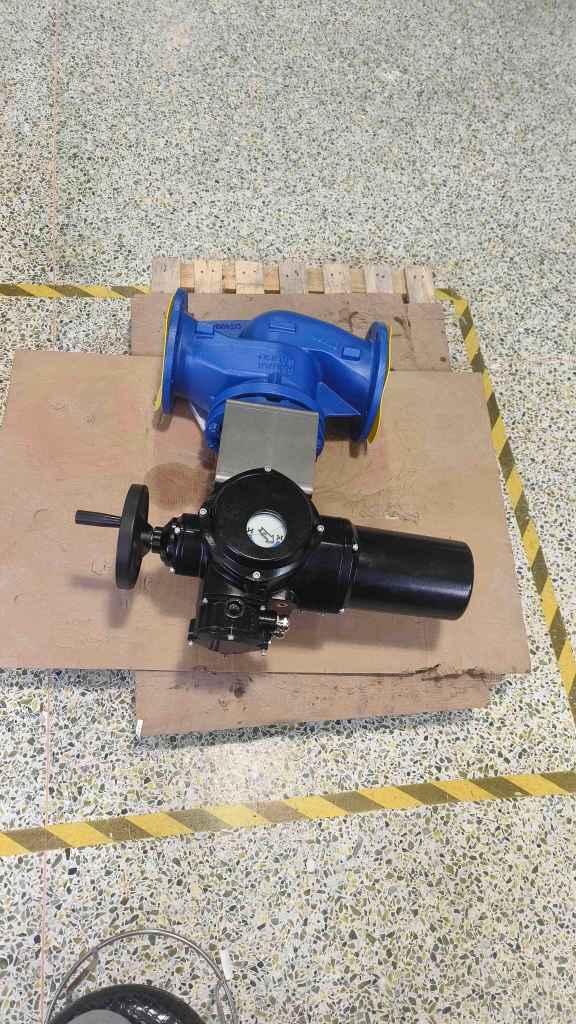
At its core, an Electric Globe Valve consists of two main components: the globe valve body and the electric actuator. The globe valve body features a movable plug or disc that adjusts its position relative to a fixed seat to control the flow of fluids through the valve. The electric actuator, powered by electric energy, drives this motion, typically via a motor that rotates or moves the valve stem. When the actuator receives a control signal (from a controller or remote system), it translates this signal into a mechanical action that adjusts the valve position. This change in position, in turn, adjusts the flow rate of the medium passing through the valve. By providing fine control over the opening and closing of the valve, the electric globe valve is ideal for regulating the flow of liquids, gases, or steam in complex systems.