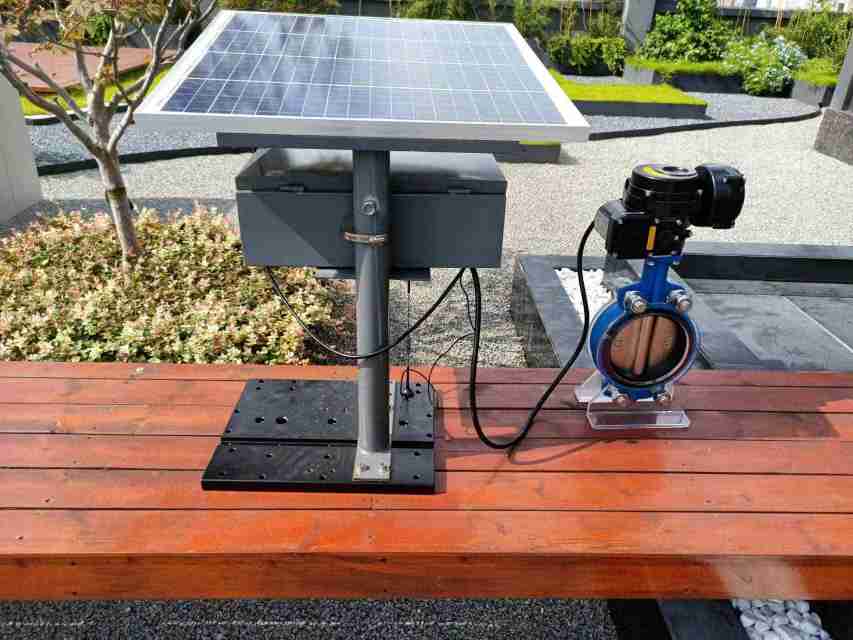
In recent years, the combination of renewable energy sources and automation technologies has revolutionized numerous industries. One such innovation that stands out in this new wave of energy-efficient technology is the Photovoltaic Electric Valve. This device, which combines the principles of photovoltaic (solar power) technology with the functionality of an electric valve, represents a leap forward in terms of both sustainability and automation. In this article, we will explore the working principle, applications, and potential benefits of photovoltaic electric valves, shedding light on how they are contributing to a greener and more efficient future.
What is a Photovoltaic Electric Valve?
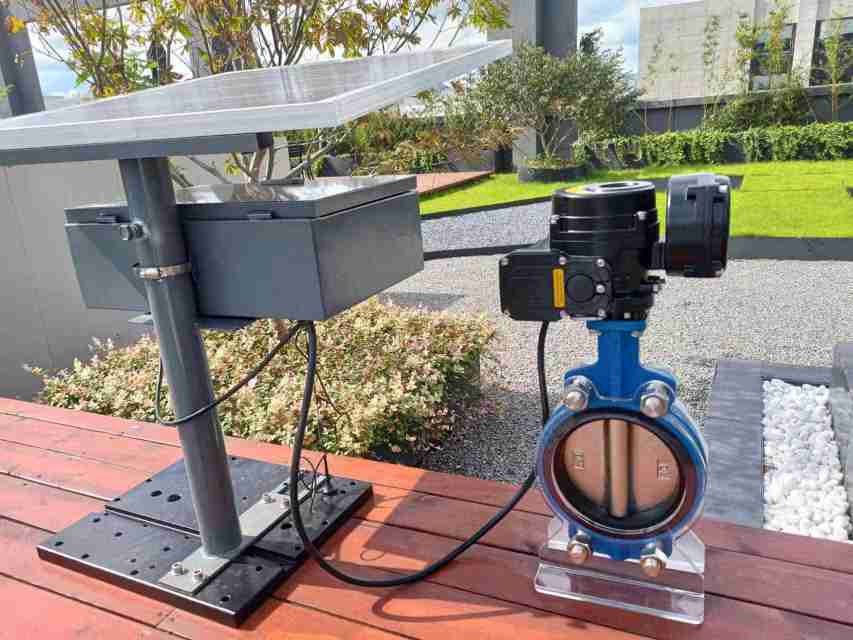
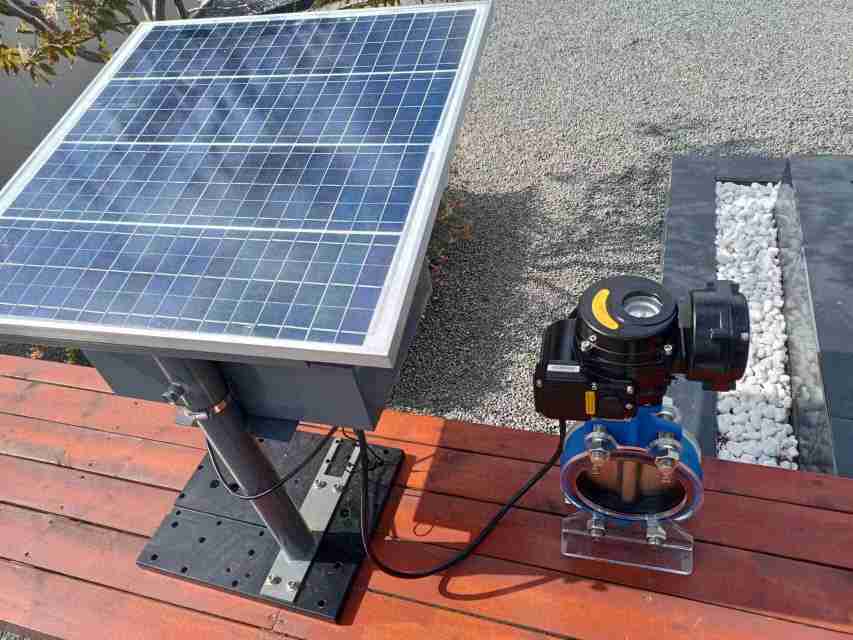
A Photovoltaic Electric Valve is essentially a type of electric valve that is powered by solar energy. Unlike traditional electric valves, which rely on external electrical sources or batteries for operation, photovoltaic electric valves utilize solar panels integrated into the valve system. These panels capture sunlight and convert it into electrical energy, which is then used to control the valve’s operation. The valve itself may be used in a variety of industrial systems where precise flow control is necessary, such as in water treatment plants, oil pipelines, and HVAC systems. The core advantage of photovoltaic electric valves lies in their ability to operate autonomously in off-grid locations, where access to electricity from the power grid is limited or unavailable. By utilizing solar power, these valves reduce the need for external power supplies, which in turn lowers the overall operating costs and environmental impact of the systems they control.