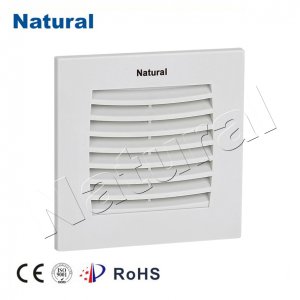
Electrical panels are critical components of any electrical system, providing the necessary protection and distribution of power to various devices and machinery. The efficiency and longevity of these systems depend heavily on maintaining an optimal operating temperature. Overheating can cause components to fail prematurely, leading to costly repairs and downtime. One effective solution to combat overheating and ensure the smooth operation of electrical panels is the use of electrical panel fan filters. These devices play a crucial role in cooling the panel and protecting its sensitive electrical components from dust and debris.
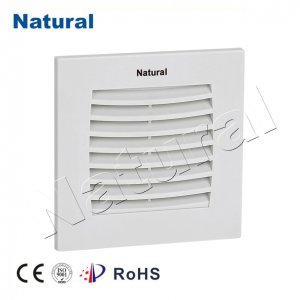
What is an Electrical Panel Fan Filter?
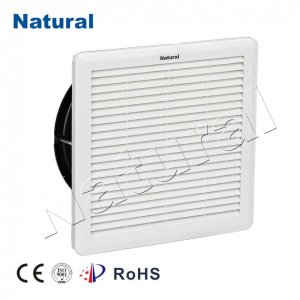
An electrical panel fan filter is a combination of a fan and a filtration system installed on electrical panels or enclosures. Its primary function is to regulate the temperature inside the panel by ensuring proper airflow and to prevent contaminants such as dust, dirt, and moisture from entering the system. The fan works to circulate air, cooling down the internal components, while the filter traps particles that could otherwise damage the electrical elements. The Role of Fans in Electrical Panels The fan in an electrical panel fan filter system is designed to enhance the natural airflow and heat dissipation. When electrical equipment operates, it generates heat, and if this heat isn’t dissipated effectively, it can lead to thermal damage, which in turn can shorten the lifespan of critical components like circuit boards, transformers, and relays. A fan helps to mitigate this risk by pulling cooler air from the outside and pushing hot air out of the panel. This active cooling system is especially important in environments where high-density electrical systems are in use, such as in industrial facilities or data centers.