A latching relay is a specialized type of electromagnetic relay that maintains its state even after the driving current has been removed. Unlike traditional relays that require continuous power to remain in their current state, latching relays use a bistable mechanism to “latch” into either an open or closed position. This feature makes them highly efficient in terms of power consumption and particularly useful in applications where maintaining a specific state is essential without the need for continuous energy.
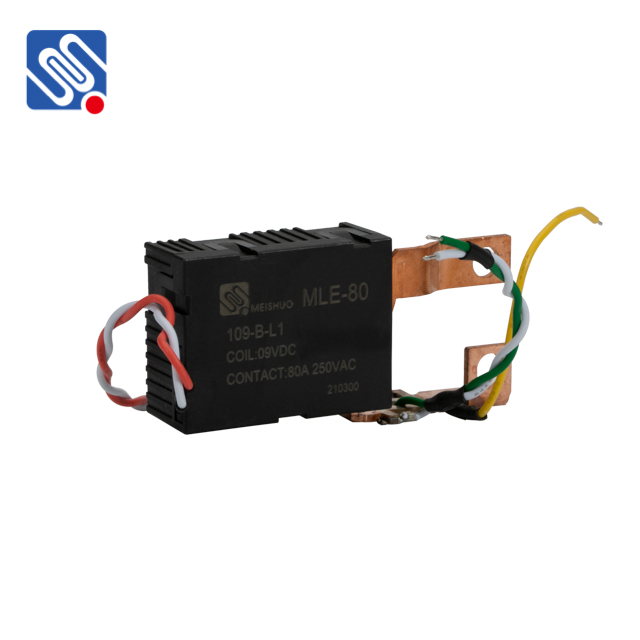
How Does a Latching Relay Work? At the heart of a latching relay’s function is its ability to remain in a specific state without the need for continuous power. This is achieved through the use of a bistable mechanism that enables the relay to switch between two states (on or off) based on a single electrical pulse. Once the relay is latched in a position, it will remain in that position until another pulse of the opposite polarity is applied to change it. A typical latching relay consists of two coils: a set coil and a reset coil. The set coil is energized to latch the relay in the “on” position, and the reset coil is energized to latch the relay in the “off” position. This type of relay often uses a mechanical mechanism or an electronic latch, such as a permanent magnet or a semiconductor, to keep the contacts in place.