Electric pinch valves are a critical component in modern fluid handling systems, offering a unique method of controlling the flow of liquids, powders, and slurries. Their primary advantage lies in their simplicity, flexibility, and the ability to handle sensitive materials without contamination. This article delves into the working principle, advantages, applications, and key features of electric pinch valves.
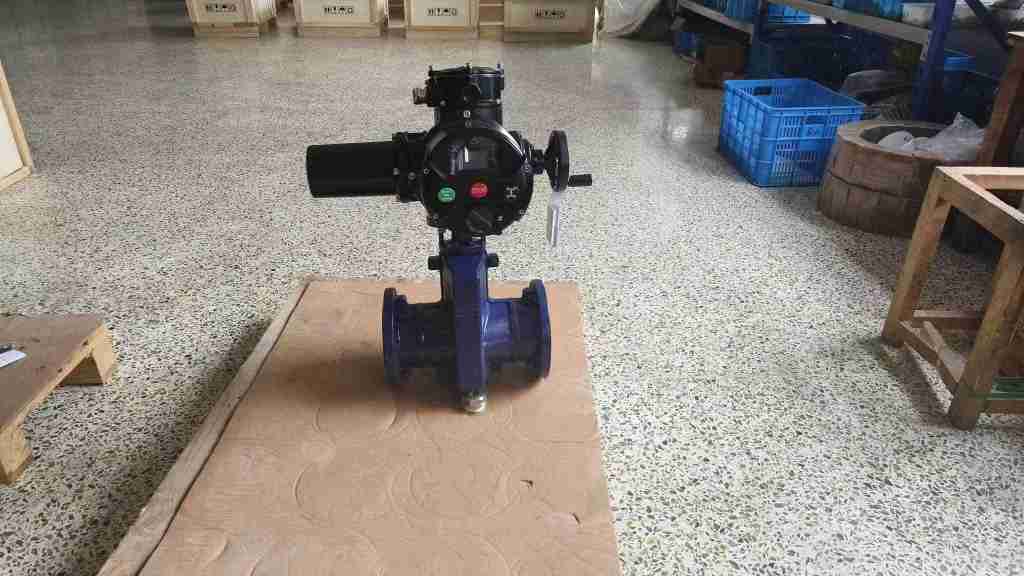
What is an Electric Pinch Valve? An electric pinch valve is a type of valve that uses an electric actuator to control the flow of fluids by compressing or pinching a flexible tubing or hose. The flexible tubing is typically made from elastomers such as rubber or silicone, and its ability to expand and contract makes it ideal for use in pinch valves. The electric actuator, often a motor-driven device, applies controlled pressure to the tubing, which in turn regulates the flow of the medium passing through it. This pinch action allows for precise control of flow rates, making it an ideal solution in industries where accuracy and reliability are paramount.