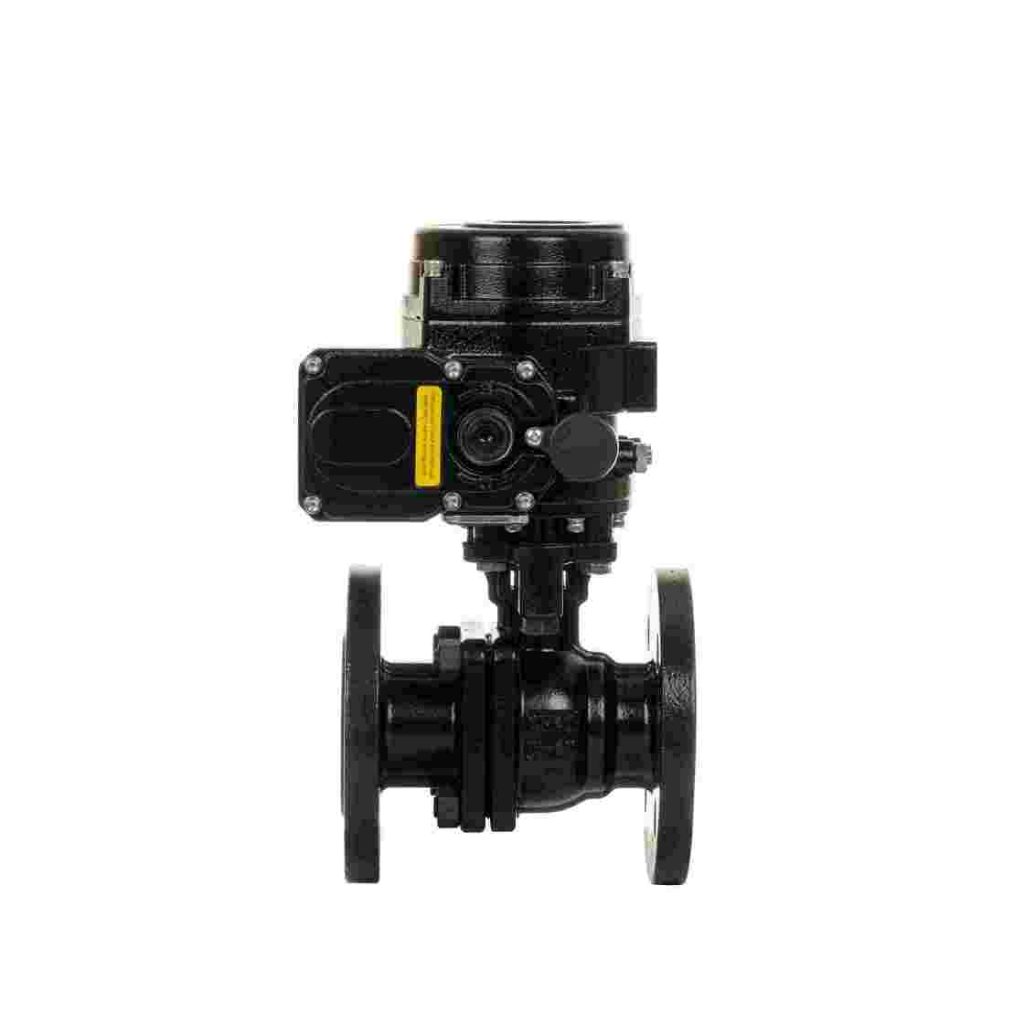
Lithium batteries have revolutionized energy storage and power solutions in recent years, driving innovation across various industries. One of the exciting applications of lithium battery technology is the electric valve powered by lithium batteries. These valves, which rely on lithium-ion or lithium-polymer batteries to operate, have become crucial components in automation systems, offering advantages such as energy efficiency, long-lasting performance, and reliability. In this article, we explore the significance of lithium battery electric valves and how they contribute to enhancing modern automation across several industries.
The Basics of Lithium Battery Electric Valves
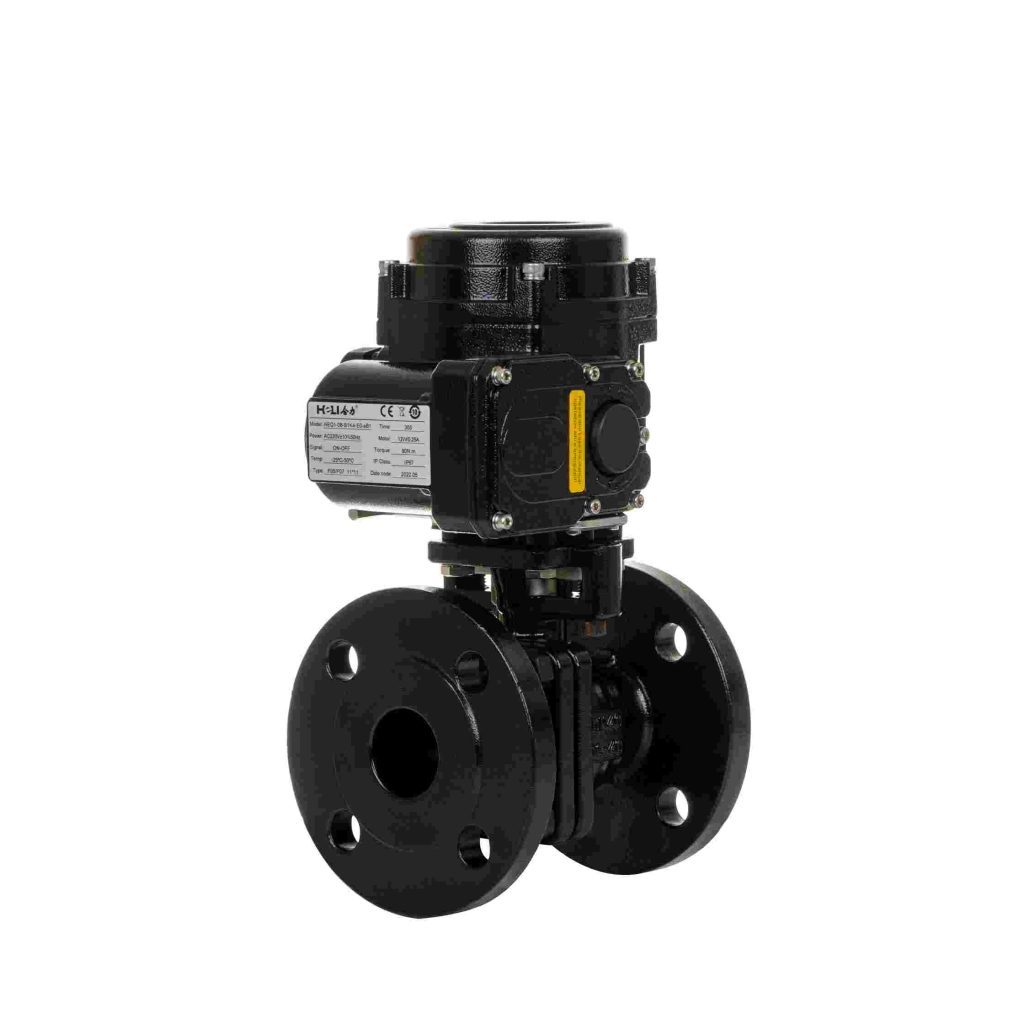
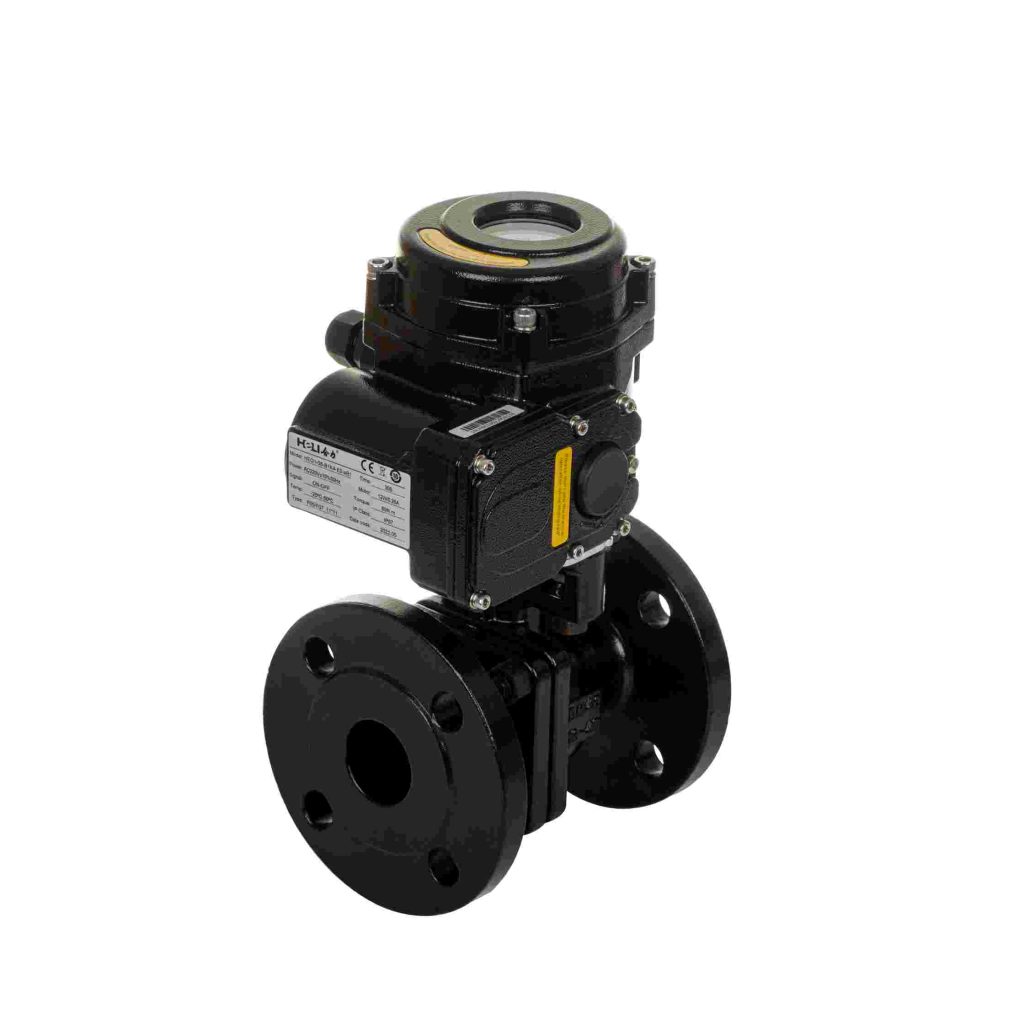
A lithium battery electric valve is essentially an automated valve that uses a lithium-ion or lithium-polymer battery to drive its actuator mechanism. These valves are used to regulate the flow of liquids or gases in a wide range of applications, including industrial systems, water treatment plants, HVAC systems, and even in remote locations where traditional electrical infrastructure may not be feasible. The use of lithium batteries allows these electric valves to function independently of the electric grid, making them ideal for remote or off-grid operations. Electric valves are commonly equipped with actuators, which are responsible for opening or closing the valve based on electronic signals. These signals can be transmitted manually or through an automated control system, enabling the valve to perform actions like regulating flow, controlling pressure, or adjusting temperature. The lithium battery-powered actuator makes the entire system more efficient by providing a reliable and long-lasting power source, reducing maintenance and downtime.