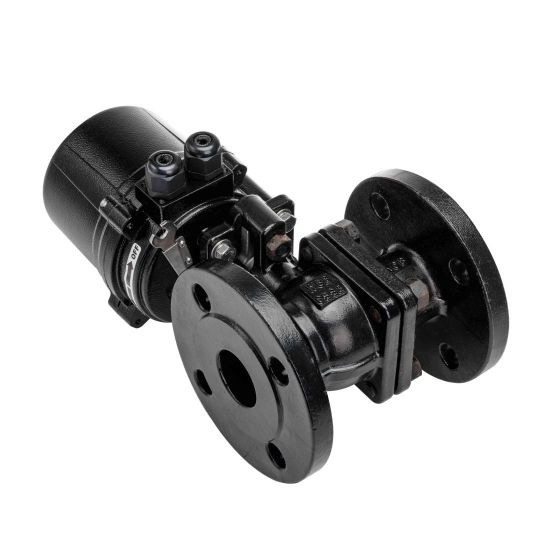
Electric high temperature ball valves are essential components in industrial applications where high temperatures and precise control of fluid flow are paramount. These valves combine the reliability of traditional ball valves with the convenience of electric actuation, making them ideal for industries such as chemical processing, oil and gas, power generation, and manufacturing. In this article, we will explore the design, features, advantages, and applications of electric high temperature ball valves, highlighting their role in enhancing operational efficiency and safety.
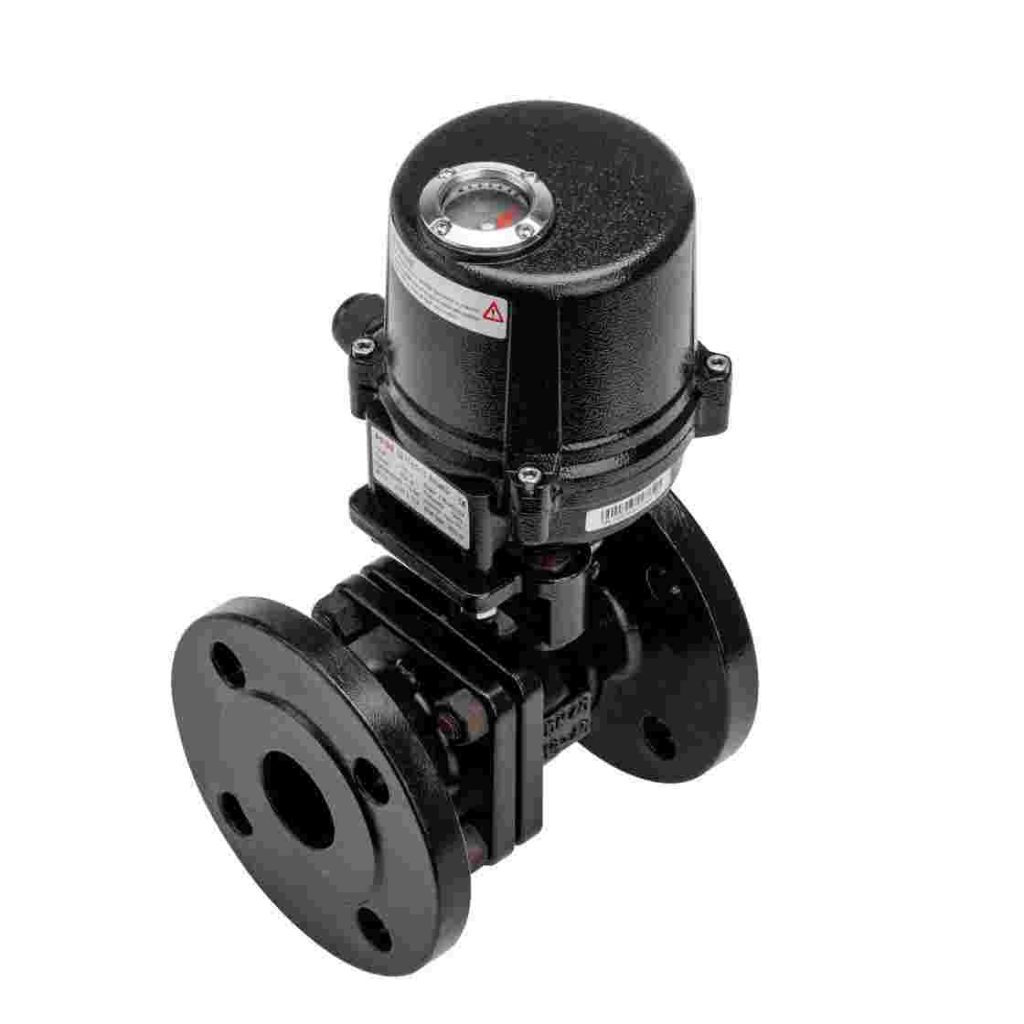
Design and Functionality
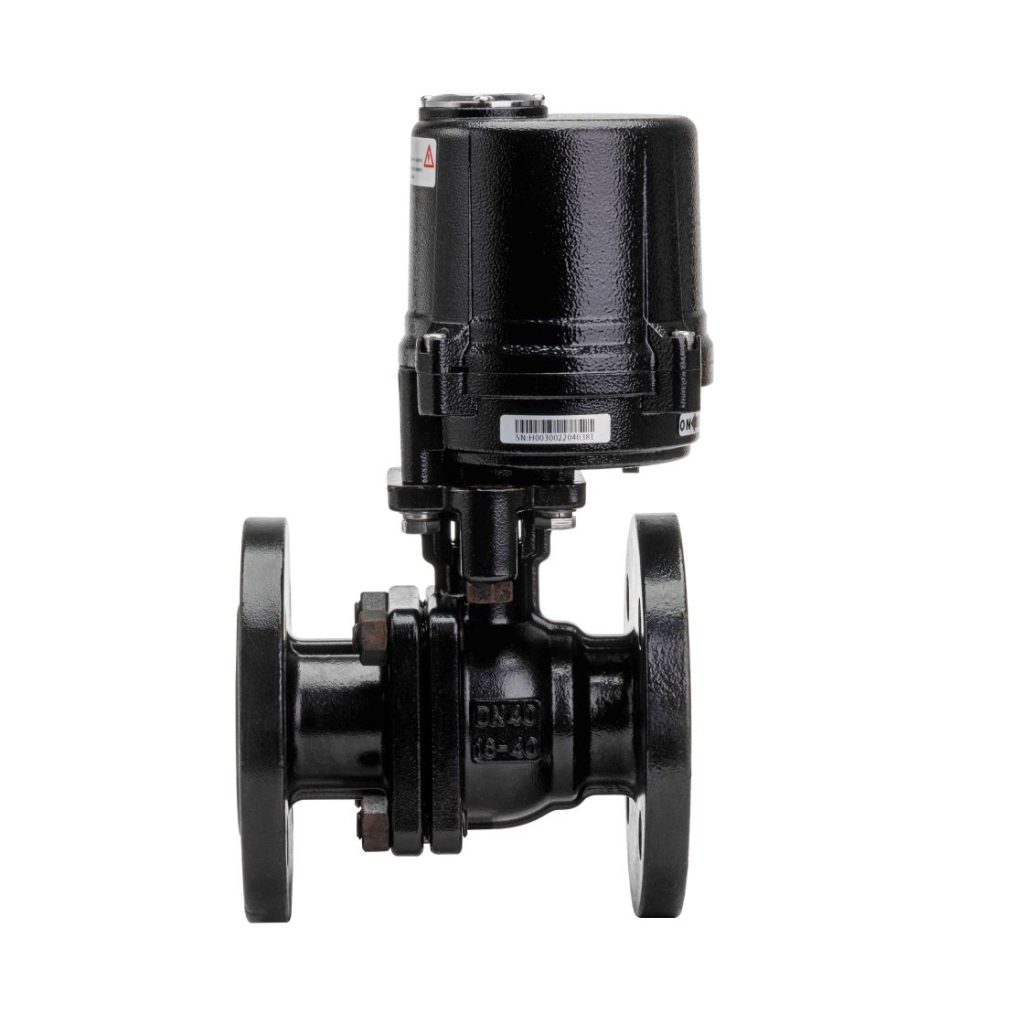
At the core of an electric high temperature ball valve is its ball-shaped valve element, which controls the flow of fluids through the valve. The valve ball has a hole through its center, and as the valve rotates, this hole either aligns with the flow path to allow fluid passage or is turned perpendicular to the path to block the flow. The electric actuation mechanism provides precise control over the ball’s rotation, allowing for fully automated operation. Electric high temperature ball valves are designed to withstand the harshest conditions, including extreme temperatures that can reach up to 200°C or even higher. To achieve this, manufacturers use advanced materials such as stainless steel, alloy steel, or specialized ceramics, which ensure that the valve can endure the thermal stresses associated with high-temperature environments without compromising its integrity or performance.