In power systems, reliability and efficiency are critical. The continuous demand for advanced electrical control systems has led to the development of various technologies, one of which is the latching relay. A latching relay, also known as a bistable relay, plays a pivotal role in power systems by providing stable and efficient control with minimal energy consumption. This article explores the significance of latching relays in power systems, their operational mechanism, and their advantages.
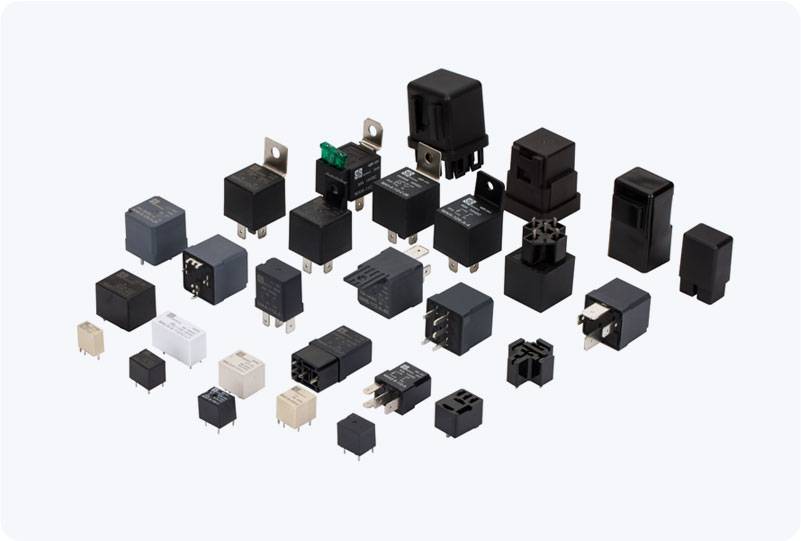
What is a Latching Relay? A latching relay is an electromechanical device designed to maintain its state (either open or closed) without requiring continuous power. Unlike standard relays that require a constant supply of power to hold a switch in place, a latching relay only consumes energy when it changes its state. This characteristic makes it highly efficient, especially in applications where the relay needs to hold its state for extended periods, such as in power systems and automation controls. How Latching Relays Work The operation of a latching relay differs from that of a standard relay in its ability to maintain its switched state. It operates through two coils: one for setting the relay to an active state (closing the contacts) and another for resetting it to an inactive state (opening the contacts). When the “set” coil is energized, the relay switches to a locked position and stays there even after the power is removed. To reverse this action, the “reset” coil is energized, which causes the relay to change its state, again without the need for continuous power.