Relays are essential components in a wide range of electrical and electronic systems, acting as switches that control the flow of electricity. Whether they are used to switch devices on and off, to control large power circuits with low power signals, or to protect equipment, relays play a crucial role in ensuring reliable operations. However, like all components, relays have a finite lifespan, influenced by various factors. Understanding relay lifespan is vital for selecting the right relay for your application, ensuring optimal performance and preventing unnecessary downtime due to component failure.
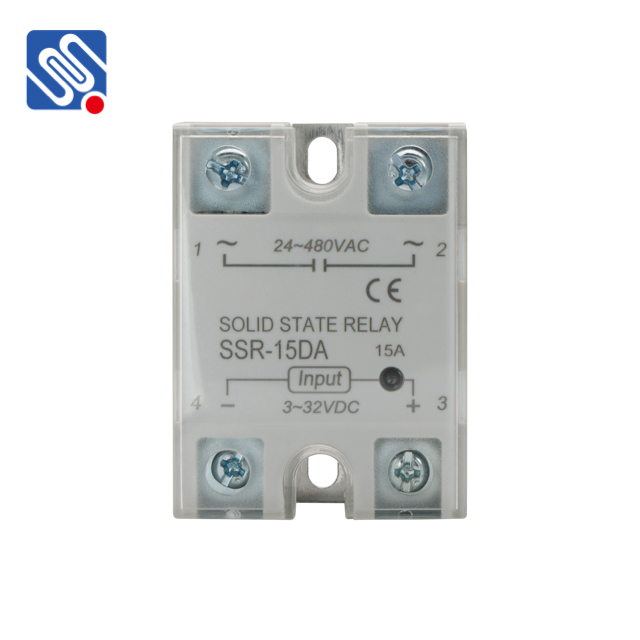
1. What Is Relay Lifespan? Relay lifespan refers to the amount of time or number of cycles a relay can endure before it starts to fail or degrade in performance. This lifespan can be divided into mechanical lifespan and electrical lifespan, both of which depend on the type of relay, its load, environmental conditions, and operational factors. 2. Mechanical Lifespan The mechanical lifespan of a relay refers to how many times the relay can physically open and close its contacts without experiencing failure. For electromechanical relays, which have moving parts, the mechanical lifespan is a significant factor. Typically, electromechanical relays can handle anywhere from 1 million to 100 million cycles. The number of cycles is influenced by factors such as contact material, construction, and operating environment.