The rapid growth of electric vehicles (EVs) has led to an increasing demand for fast and efficient charging solutions. One such solution is DC fast charging, which allows EVs to charge at significantly higher rates compared to traditional AC charging. A critical component in this high-speed charging system is the DC Fast Charging Relay. This device plays a vital role in ensuring the safety, reliability, and efficiency of DC fast charging stations. In this article, we will delve into the purpose, functionality, and key characteristics of the DC Fast Charging Relay and how it contributes to the overall charging process.
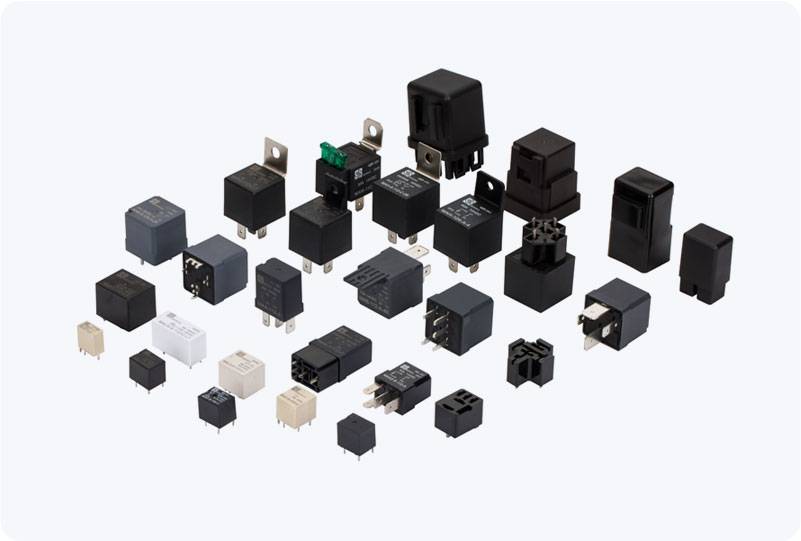
What is a DC Fast Charging Relay? A DC Fast Charging Relay is an electrical switch that is designed to control the flow of direct current (DC) in high-power charging systems. It is primarily used in electric vehicle charging stations that support DC fast charging, which can deliver power at much higher rates compared to conventional AC charging methods. Unlike AC charging, which relies on alternating current to power the vehicle’s battery, DC fast charging directly supplies high-voltage DC power to the battery, significantly reducing charging times. In essence, the DC Fast Charging Relay acts as a safety mechanism that ensures the safe transmission of power to the vehicle, while preventing any damage to both the charging station and the EV battery. It is responsible for switching high-voltage electrical circuits on and off in response to signals from the charging station’s control system.