The importance of clean, safe drinking water cannot be overstated, and one of the most efficient ways to achieve this is through Reverse Osmosis (RO) systems. At the heart of these systems lies a critical component known as the RO solenoid valve. This article delves into the functionality, applications, benefits, and maintenance of the RO solenoid valve, highlighting its essential role in water purification processes.
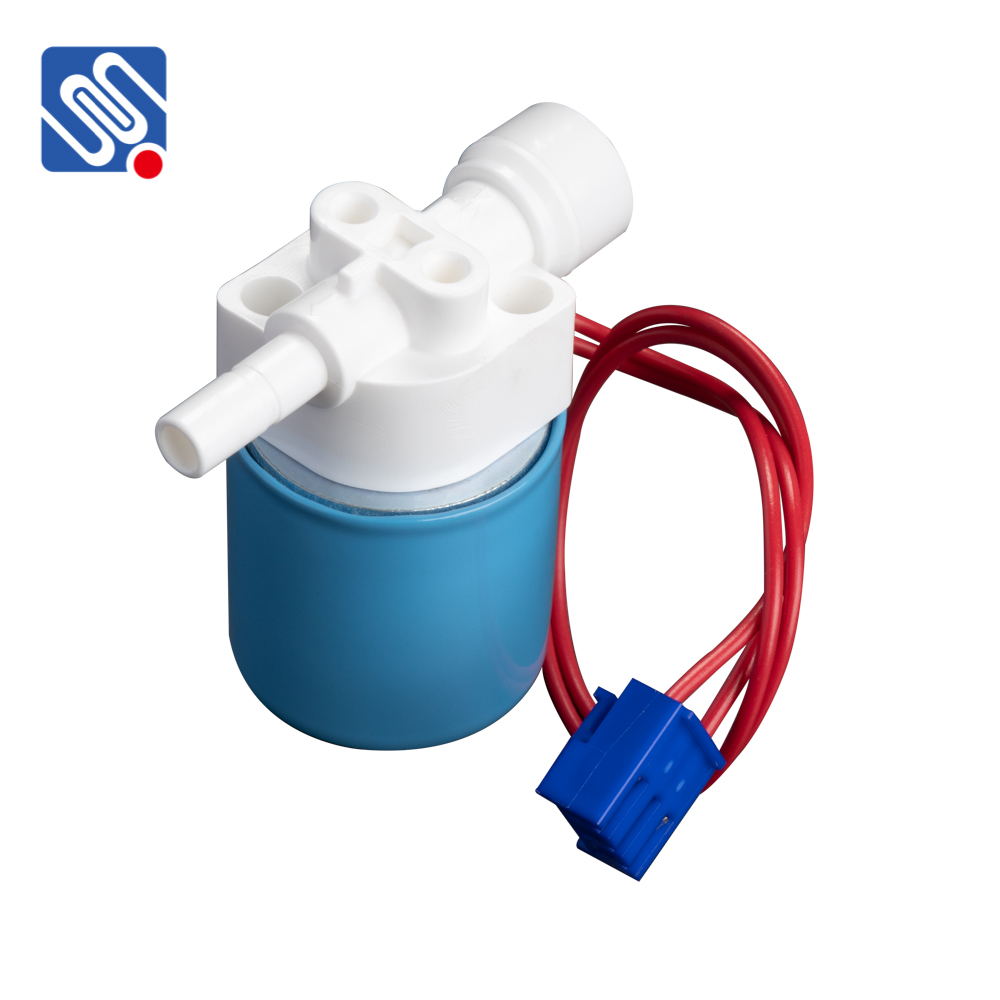
What is an RO Solenoid Valve? An RO solenoid valve is an electromechanical device that serves to control the flow of water in an RO system. It operates on the principle of electromagnetism—when an electric current passes through a coil in the valve, it creates a magnetic field that either opens or closes the valve, regulating water flow. This simple yet effective mechanism makes the solenoid valve indispensable in various applications, ranging from domestic water purifiers to industrial water treatment facilities. Functionality of the RO Solenoid Valve The primary function of an RO solenoid valve is to manage the flow of water in the reverse osmosis system. There are two main types of RO solenoid valves: Normally Open (NO) and Normally Closed (NC).