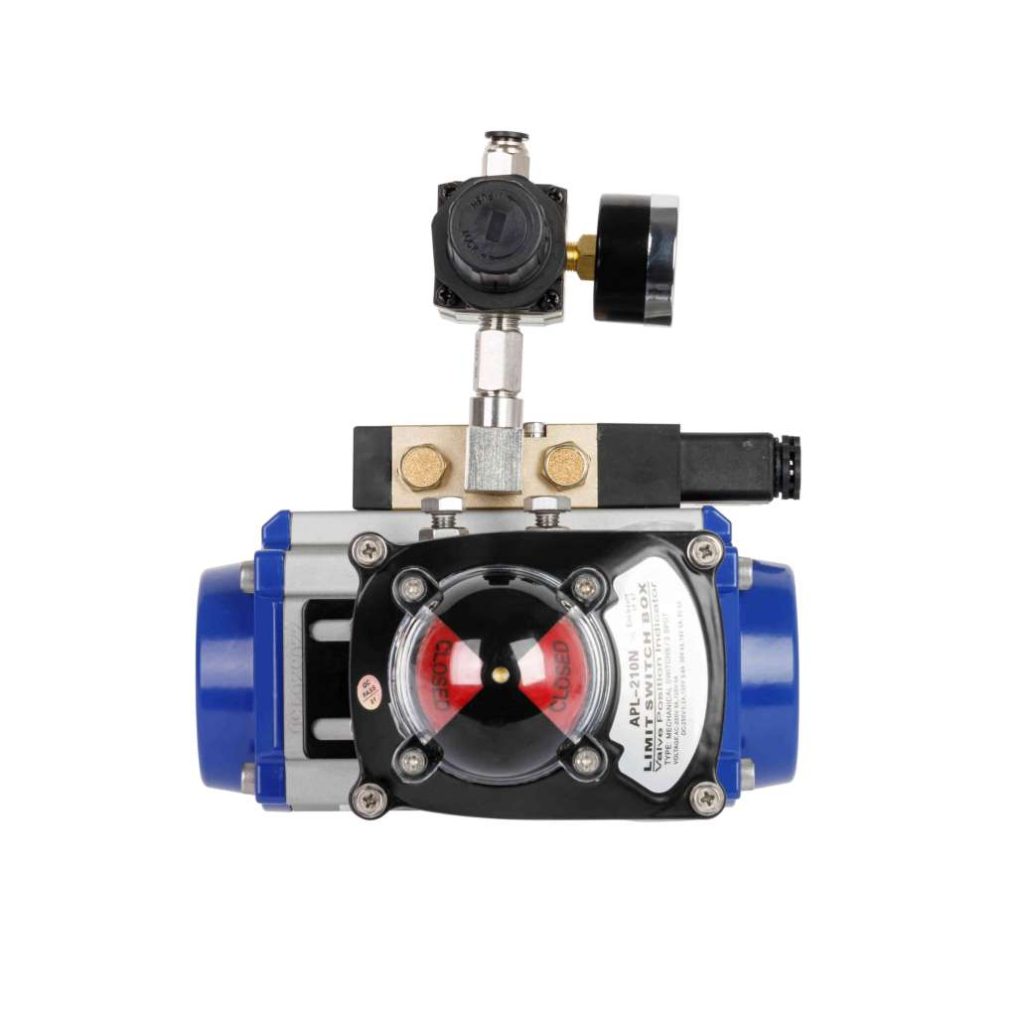
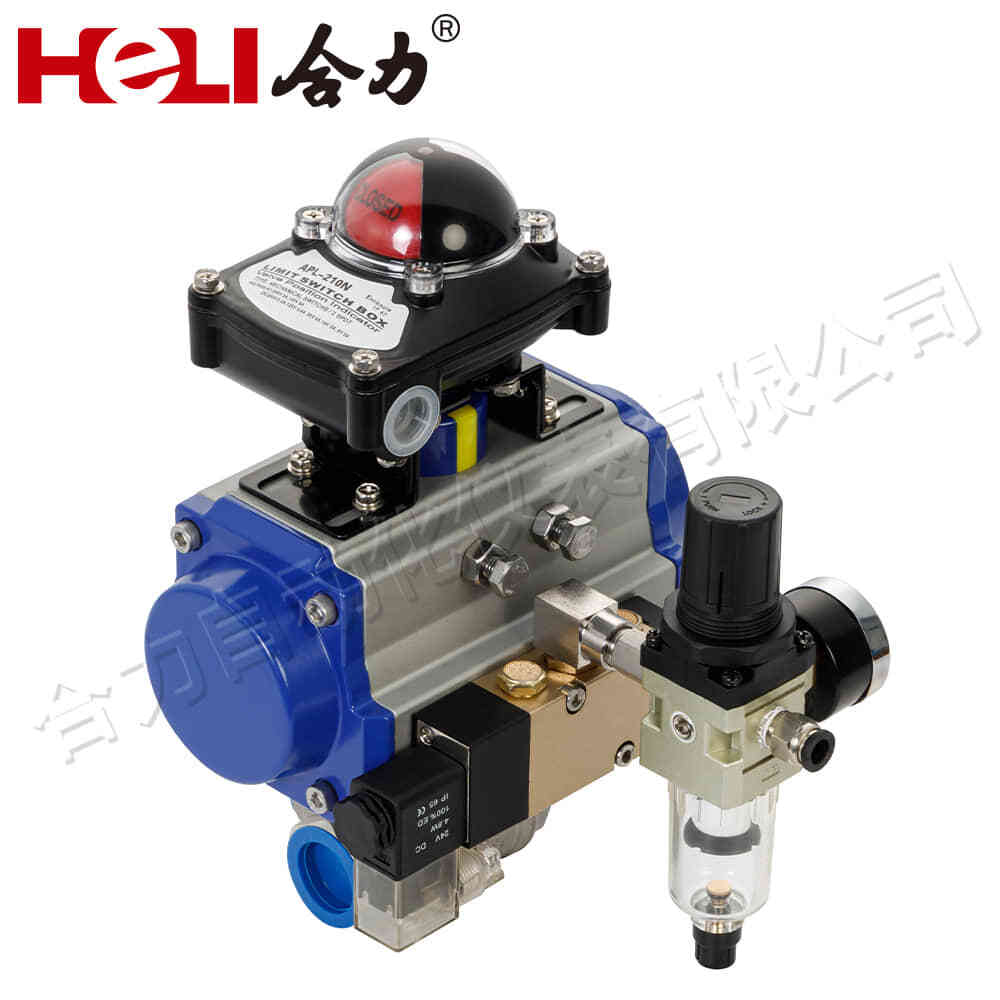
Pneumatic actuators are vital components in the field of automation and control systems. Utilizing compressed air as a power source, these devices convert the energy of air pressure into mechanical motion, enabling the control of various processes with precision and efficiency. With diverse designs and functionalities, pneumatic actuators serve a wide range of applications across multiple industries, enhancing productivity and operational effectiveness.
Principle of Operation
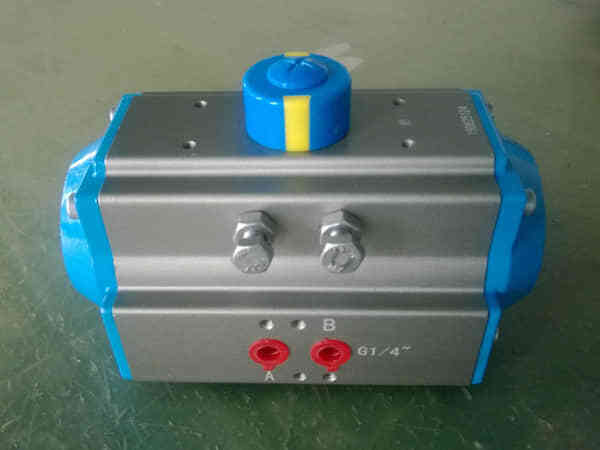
The core principle behind pneumatic actuators revolves around the use of a cylinder and a piston mechanism. When compressed air enters the cylinder, it creates pressure that pushes the piston, resulting in linear or rotary motion. The linear motion is typically generated by linear actuators, while rotary pneumatic actuators, also known as rotary actuators, convert pneumatic energy into rotational motion. The operation of a pneumatic actuator begins with a compressed air source, often supplied by a compressor or a tank. A control valve regulates the airflow into and out of the cylinder, allowing for precise control of the actuator’s movement. As air enters the cylinder, the pressure builds up, pushing the piston in a designated direction. Once the desired position is reached, the valve can release the pressure, allowing the piston to return to its original position, usually aided by a spring mechanism.