Reverse osmosis (RO) is one of the most widely used methods for water purification, especially in households, industrial settings, and desalination plants. The process involves the use of a semi-permeable membrane that removes impurities, contaminants, and dissolved solids from water. A crucial component that ensures the effective operation of an RO system is the Reverse Osmosis Solenoid Valve. This article delves into the function, importance, and maintenance of this essential part of the RO system.
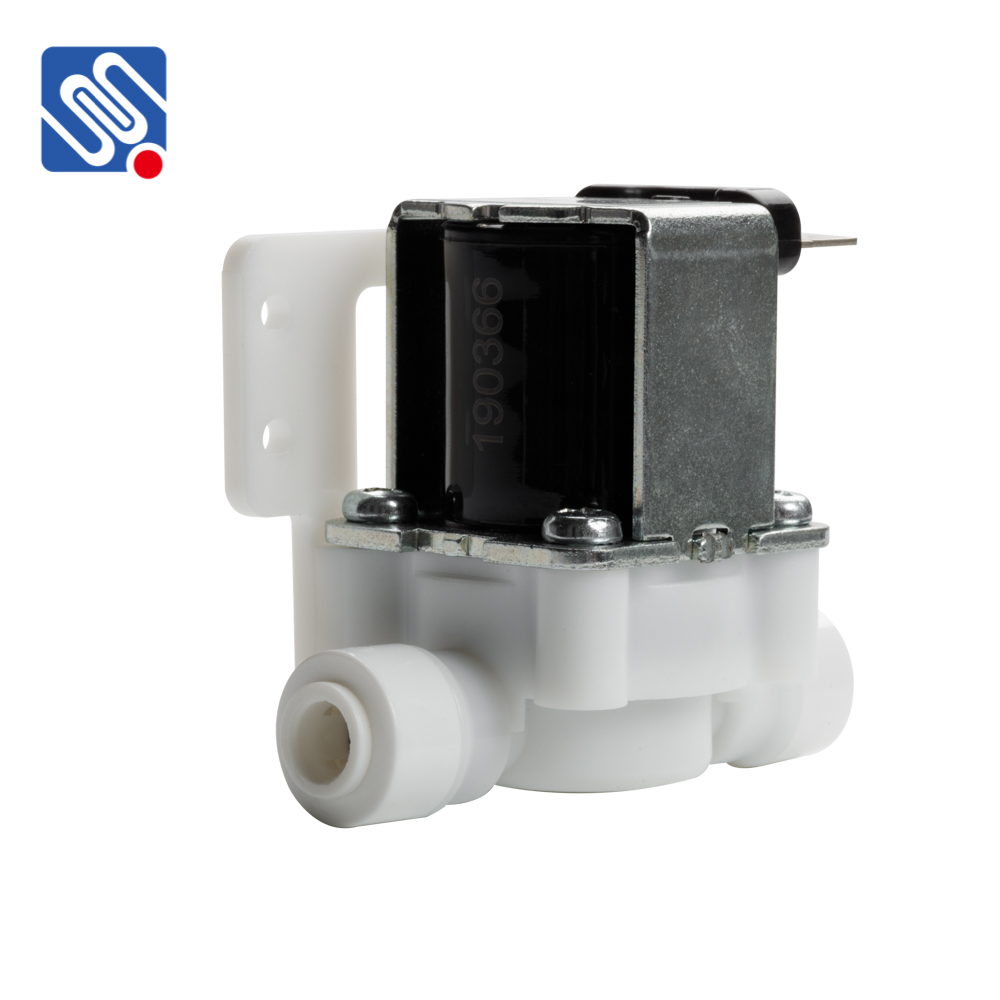
What is a Reverse Osmosis Solenoid Valve? A Reverse Osmosis Solenoid Valve is an electronically controlled valve that regulates the flow of water in a reverse osmosis system. It consists of an electromagnet that, when energized, opens or closes the valve, allowing or blocking water flow. This valve is typically installed between the water inlet and the RO membrane, playing a significant role in controlling water flow, pressure, and system function. Function of the Reverse Osmosis Solenoid Valve The primary function of the solenoid valve in an RO system is to control the water flow during different stages of the filtration process. It ensures that water flows through the system at the right pressure and in the correct direction. The solenoid valve’s role can be summarized in the following key functions: