Lockout/Tagout (LOTO) is a critical safety procedure designed to protect workers from the dangers of hazardous energy during maintenance, repair, or servicing of machinery and equipment. Whether in manufacturing plants, construction sites, or any workplace where machinery and electrical systems are in operation, LOTO provides an effective strategy for preventing accidental machine startups, equipment malfunctions, and energy releases that could result in serious injury or death. This article will explore the importance of Lock Out Tag Out procedures, its key components, and how it helps to ensure workplace safety.
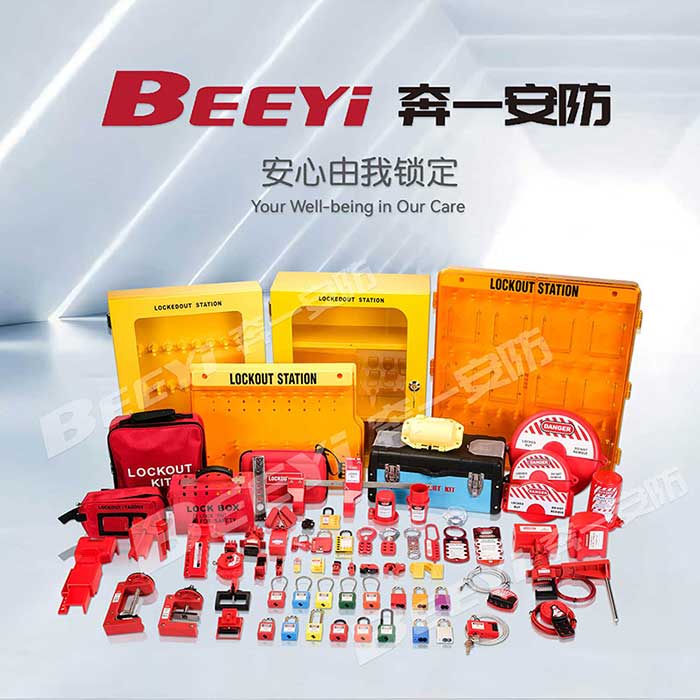
The Importance of Lockout/Tagout Procedures Every day, workers are exposed to the risks associated with machine operation and maintenance. For instance, a worker may be tasked with repairing or servicing an industrial machine that is powered by electricity, hydraulics, or compressed air. If this machine were to accidentally start during the repair, it could cause severe injuries or even fatalities. Similarly, other energy sources, such as gas, steam, or gravity, can also pose significant hazards if not properly controlled. LOTO addresses these dangers by ensuring that hazardous energy sources are completely isolated and rendered inoperable while maintenance or service work is being performed. This is achieved through the use of locking and tagging devices that physically prevent the operation of equipment. In this way, LOTO helps safeguard the lives of workers and reduces the likelihood of workplace accidents.