Relay performance metrics are essential for evaluating the efficiency, reliability, and effectiveness of relay systems across various fields, including electrical protection, communication networks, and sports. Whether it’s ensuring the safe operation of power systems, optimizing data transmission in wireless networks, or enhancing team performance in a relay race, understanding the key performance metrics can make a significant difference in achieving desired outcomes. In this article, we’ll explore the most commonly used relay performance metrics in different domains and highlight their importance.
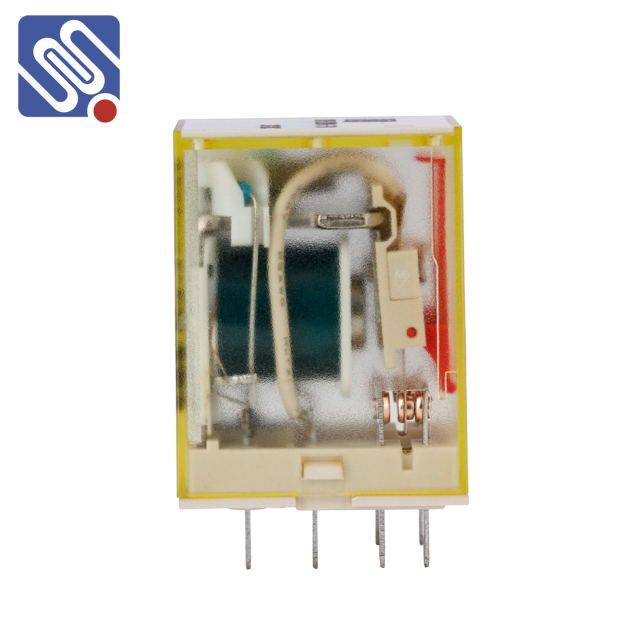
1. Electrical Systems: Protection Relays In electrical systems, relays are critical components designed to protect equipment and ensure the safe operation of power grids. The performance of these protection relays is crucial for fault detection and system restoration. Some key performance metrics in this context include: Operating Time: The time it takes for a relay to detect a fault and activate the protective mechanism, such as opening a circuit breaker. The faster the operating time, the quicker the system can recover from faults, reducing the potential for damage to electrical components. This metric is typically measured in milliseconds and can be affected by the type of fault and the relay’s settings.