Relays are critical components in modern vehicles, playing a crucial role in controlling the electrical circuits that power essential systems like the ignition, fuel pump, headlights, and cooling fans. A relay is essentially an electrically operated switch that opens and closes circuits, allowing low-power signals to control high-power devices. While relays are designed for durability, they can fail over time, leading to a range of electrical issues in a vehicle. Understanding the common relay failure modes in cars can help vehicle owners diagnose and address these problems quickly.
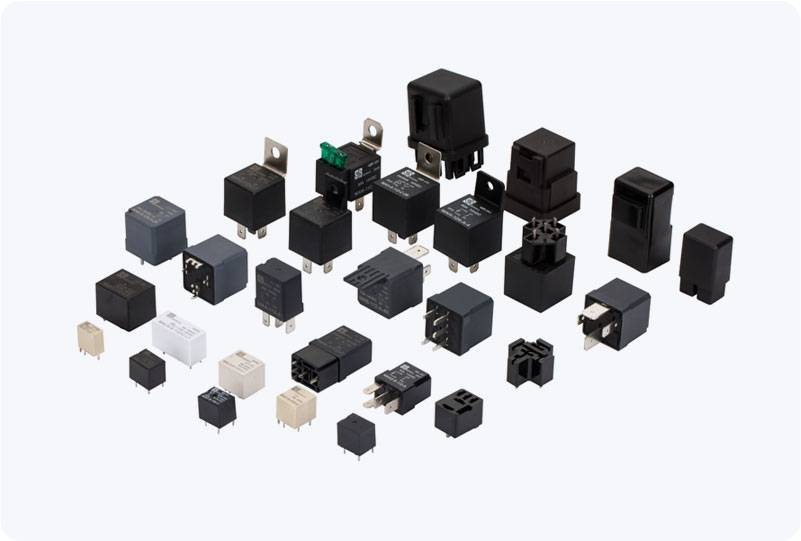
1. Sticking or Welded Contacts One of the most common failure modes of relays is when the internal contacts become stuck or welded together. This can occur due to prolonged use, exposure to heat, or electrical overload. When this happens, the relay may fail to disengage properly, causing the connected system to remain active or fail to activate when needed. For example, a stuck relay controlling the fuel pump may result in the fuel pump running continuously, draining the battery or possibly causing damage to the fuel system. Conversely, if the relay fails to engage, the fuel pump may not activate when starting the vehicle, preventing the engine from starting.