Relays are integral components in various electrical and electronic systems. They function as switches, controlling the flow of electricity by using a low voltage signal to manage a higher voltage circuit. Given their widespread usage in applications ranging from automotive systems to industrial automation, understanding the lifespan of a relay is crucial for ensuring reliability and safety. The term “relay lifespan” encompasses various aspects, including mechanical and electrical durability, all of which will be discussed in this article.
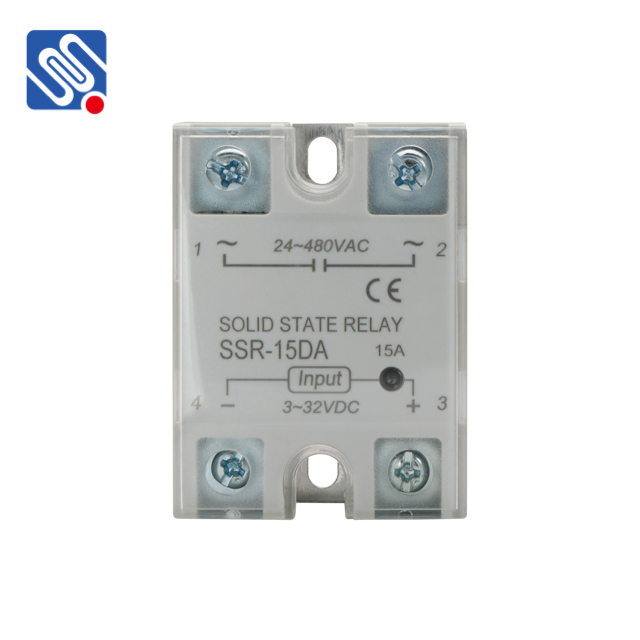
Mechanical Lifespan vs. Electrical Lifespan Relay lifespan is primarily classified into two categories: mechanical lifespan and electrical lifespan. Mechanical lifespan refers to the number of operations a relay can perform without any electrical load applied. This number is usually in the millions and reflects the inherent durability of the mechanical parts within the relay. On the other hand, electrical lifespan indicates the number of operations a relay can successfully complete while under load. This lifespan varies significantly depending on several factors, including the nature of the load, voltage, current, and switching frequency. Generally, the electrical lifespan is much shorter than the mechanical lifespan due to wear and tear caused by arcing at the relay contacts during switching.