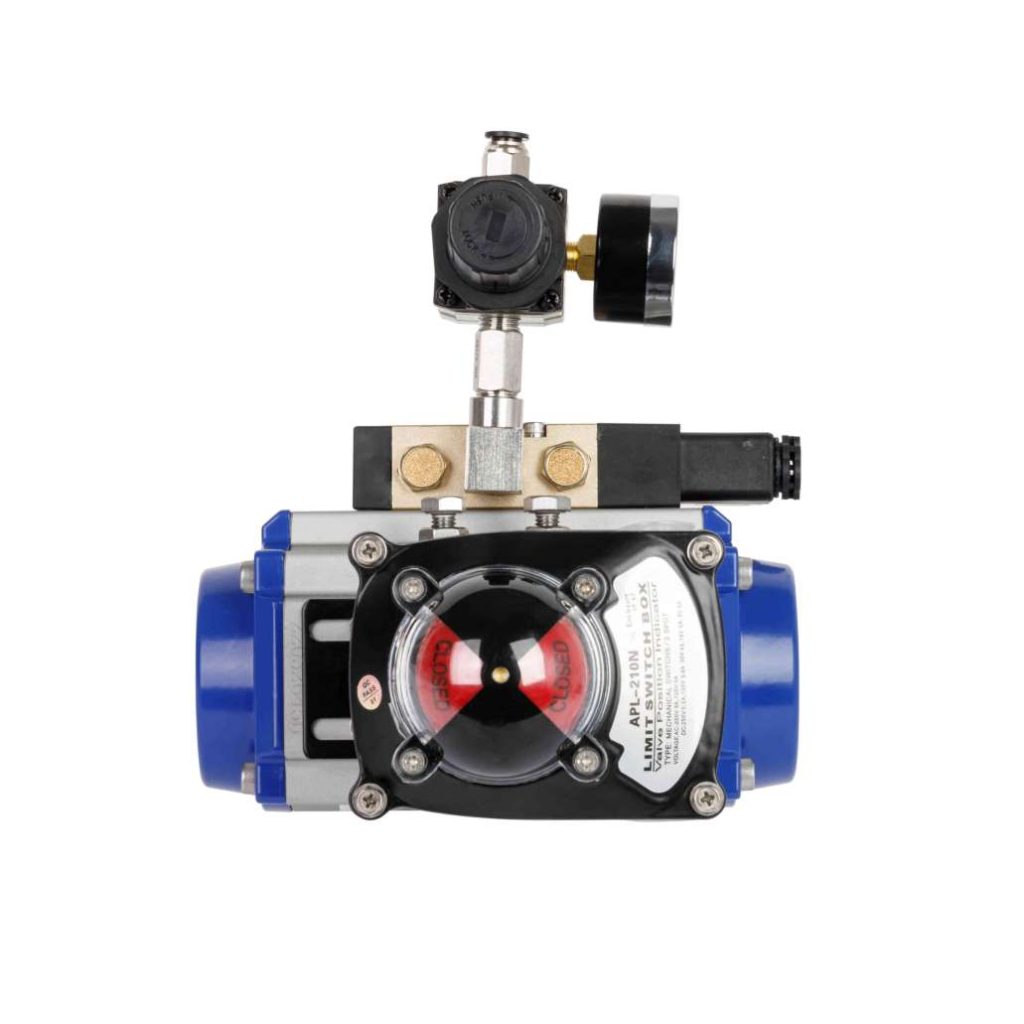
Pneumatic actuators are essential components in many industrial applications, where the use of compressed air provides a reliable and efficient source of power. These actuators are used to convert the energy from compressed air into mechanical motion, enabling control over various mechanical processes. From simple linear movements to complex rotational actions, pneumatic actuators are integral to a wide range of industries, including manufacturing, robotics, and valve control systems. This article delves into the key components, types, advantages, and applications of pneumatic actuators, illustrating their importance in modern automation systems.
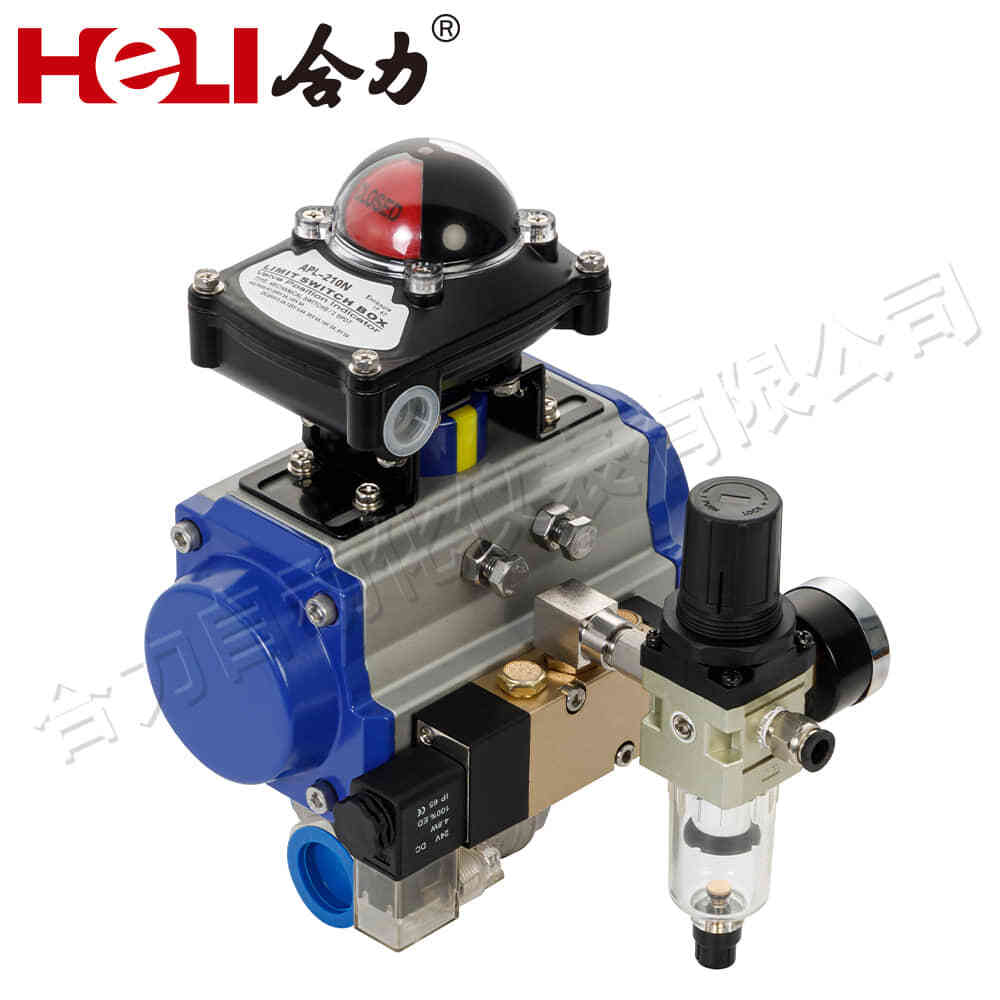
What is a Pneumatic Actuator?
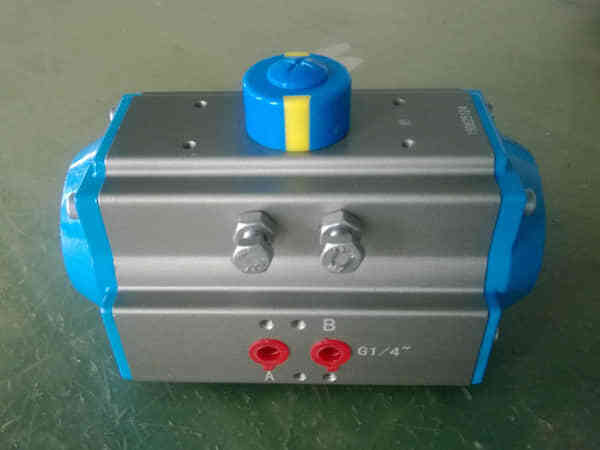
A pneumatic actuator is a device that uses compressed air to produce mechanical motion. It consists of a cylinder, piston, and various valves that regulate the flow of air. When compressed air is supplied to the actuator, it generates force that moves the piston inside the cylinder. This force is then transmitted to an attached mechanical load, such as a robotic arm, valve, or conveyor system, to perform specific tasks. Pneumatic actuators can generate either linear or rotary motion depending on the design and the application requirements. Key Components of a Pneumatic Actuator Cylinder: The main body of the pneumatic actuator, where the piston moves. The cylinder is typically made of materials like aluminum or steel and is designed to withstand the pressure of compressed air.