In the world of modern power electronics, switching devices play a crucial role in controlling and managing power flow. One such device, the IGBT-Based High Voltage (HV) Relay, is transforming how we handle high-voltage circuits and systems. With the rise of renewable energy, electric vehicles (EVs), and industrial automation, the demand for reliable, fast, and efficient switching devices has never been greater. The IGBT-based HV relay meets these needs, providing unparalleled advantages in high-voltage and high-current applications.
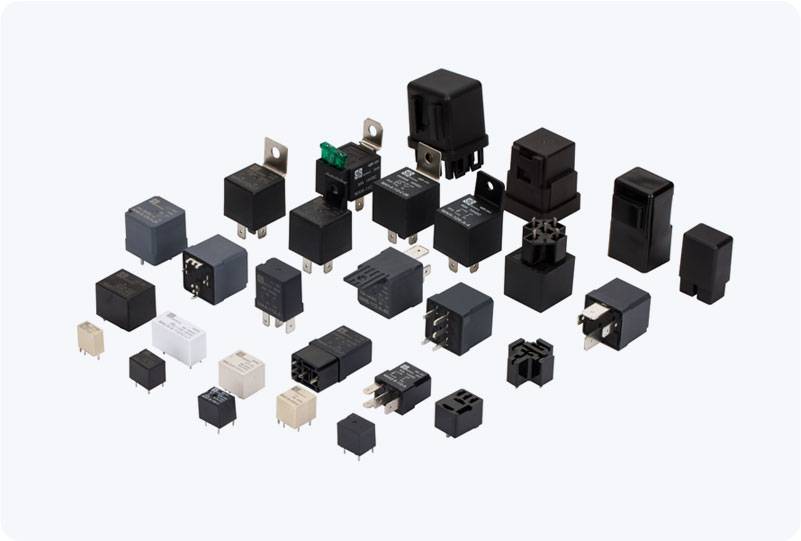
Understanding the IGBT-Based HV Relay The Insulated Gate Bipolar Transistor (IGBT) is a semiconductor device that combines the benefits of both MOSFETs (Metal-Oxide-Semiconductor Field-Effect Transistors) and BJTs (Bipolar Junction Transistors). It provides high input impedance and the ability to handle high currents and voltages. An IGBT-based HV relay utilizes this technology to operate as a switch for high-voltage applications, offering a compact, reliable, and efficient solution. In simple terms, a relay is an electrically operated switch, and in the case of HV relays, these are designed to handle the switching of high-voltage electrical circuits. When combined with IGBT technology, these relays can switch high voltage and high current with enhanced speed and precision compared to traditional mechanical relays.