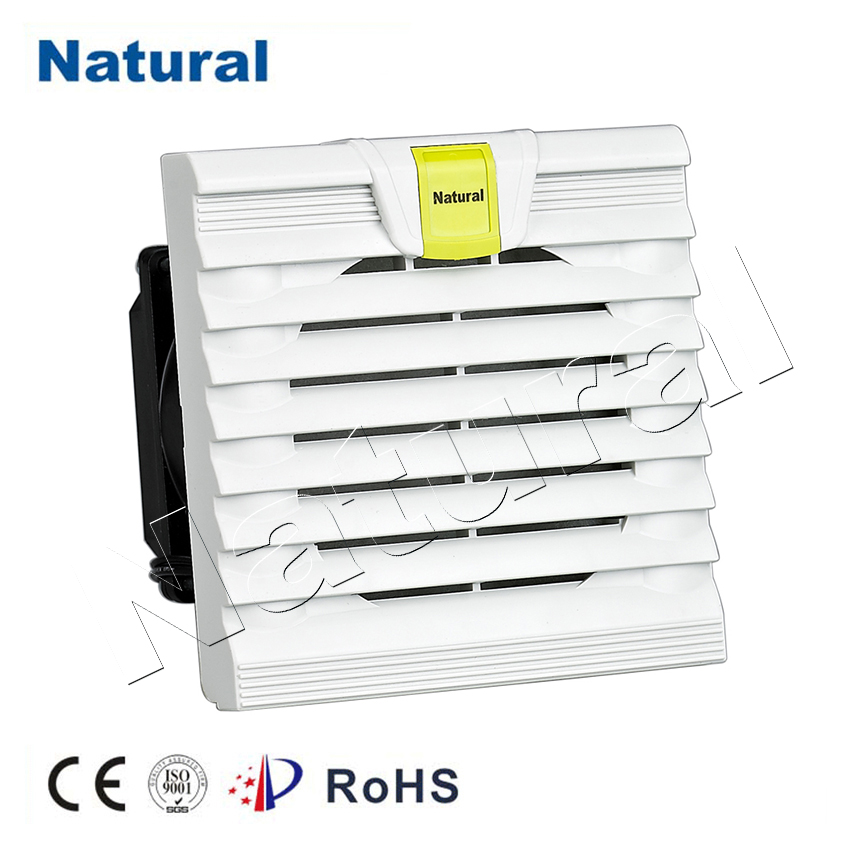
Cabinet filters play a critical role in maintaining the performance and longevity of various equipment and systems across industries. These filters are commonly found in air filtration units, liquid filtration systems, and electronic enclosures, helping to ensure smooth operations by removing unwanted particles, dust, and contaminants. This article explores the different types of cabinet filters, their working principles, and their applications in various industries.
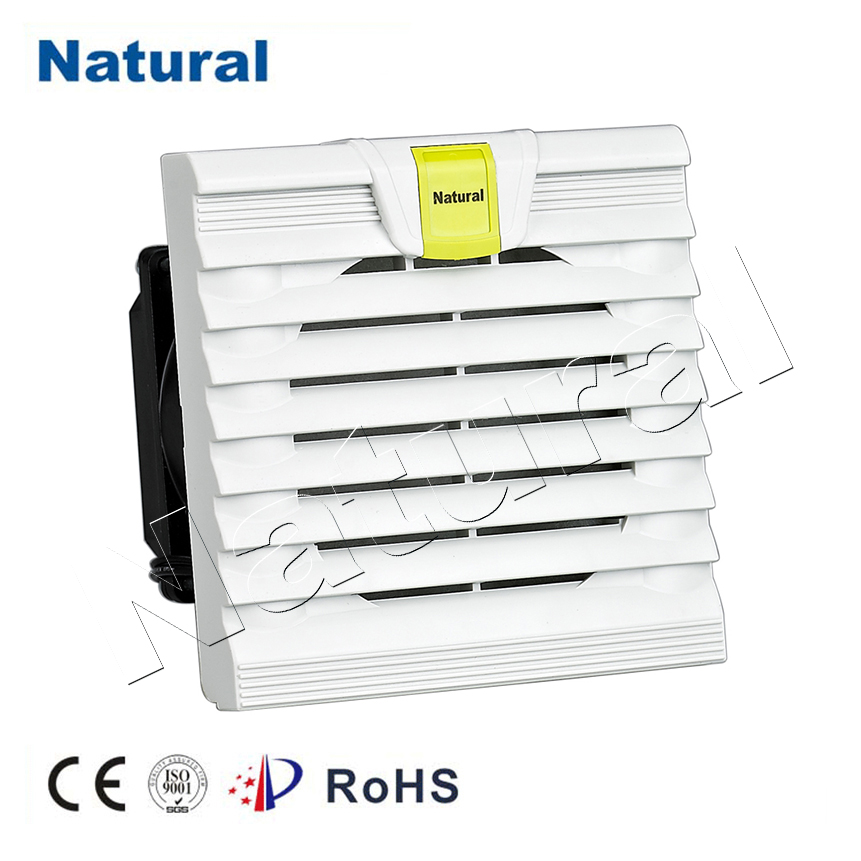
What is a Cabinet Filter?
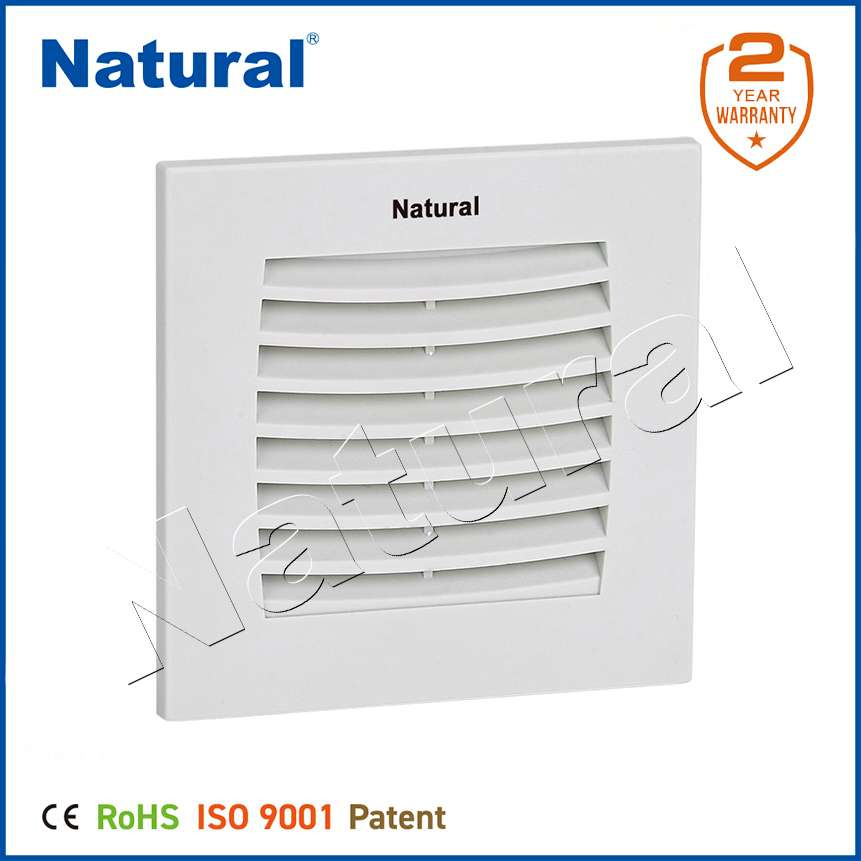
A cabinet filter is a filtration system designed to fit within an enclosed cabinet or housing, used to clean or purify air, liquid, or gas within that enclosed space. These filters are installed in various environments, including industrial equipment, data centers, and even home appliances. The purpose of the cabinet filter is to remove harmful particles, pollutants, and debris that could interfere with the performance of the machinery or the quality of the environment inside the cabinet. Types of Cabinet Filters Air Cabinet Filters Air filters are commonly used in HVAC (Heating, Ventilation, and Air Conditioning) systems, clean rooms, and industrial environments. The filter media in these systems can vary, including options like HEPA (High-Efficiency Particulate Air), carbon, and electrostatic filters. These filters remove dust, pollen, smoke, and other airborne contaminants, improving air quality and ensuring the proper function of sensitive equipment within the cabinet.