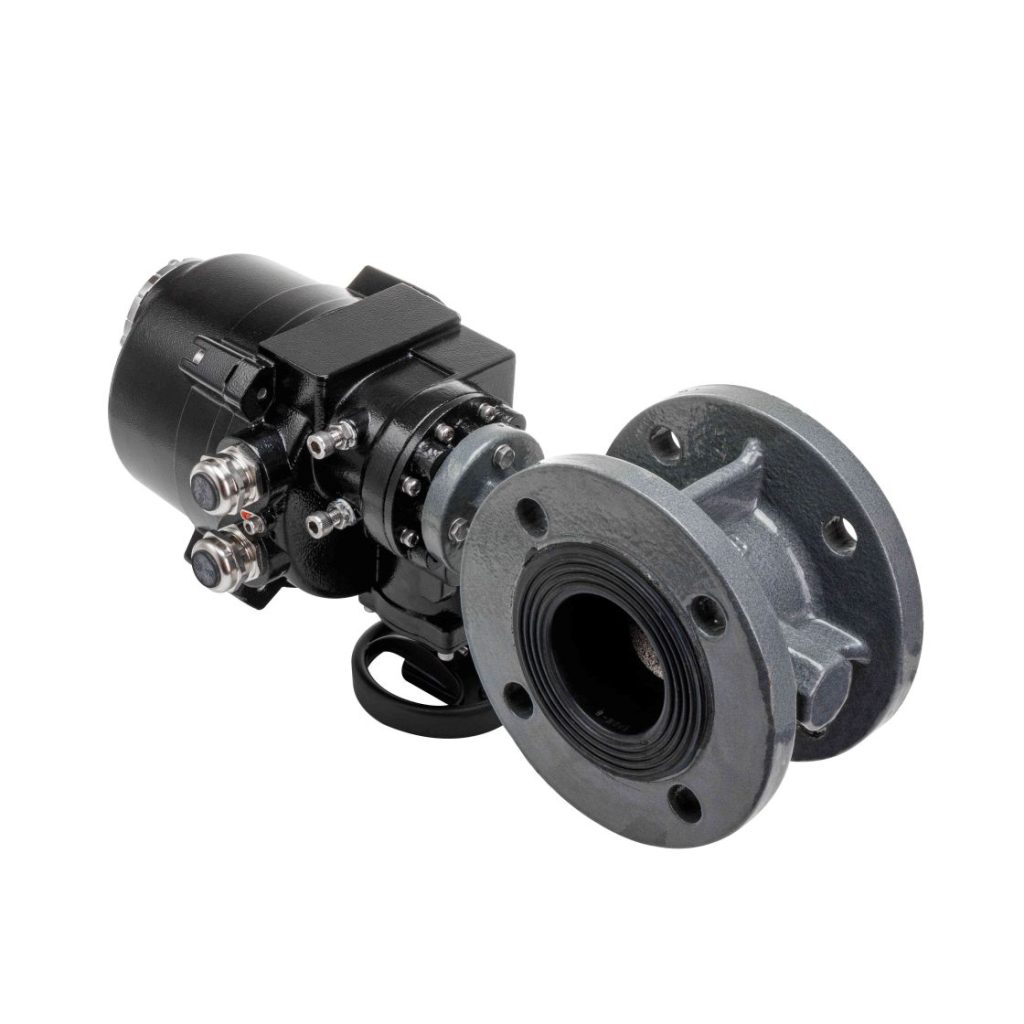
In the world of fluid control and automation, the electric ball valve plays a crucial role in ensuring smooth and efficient operations. Its ability to precisely control the flow of liquids and gases makes it a vital component in numerous industrial and commercial applications. This article delves into the working principles, features, advantages, and common applications of electric ball valves, illustrating why they have become an essential part of modern systems.
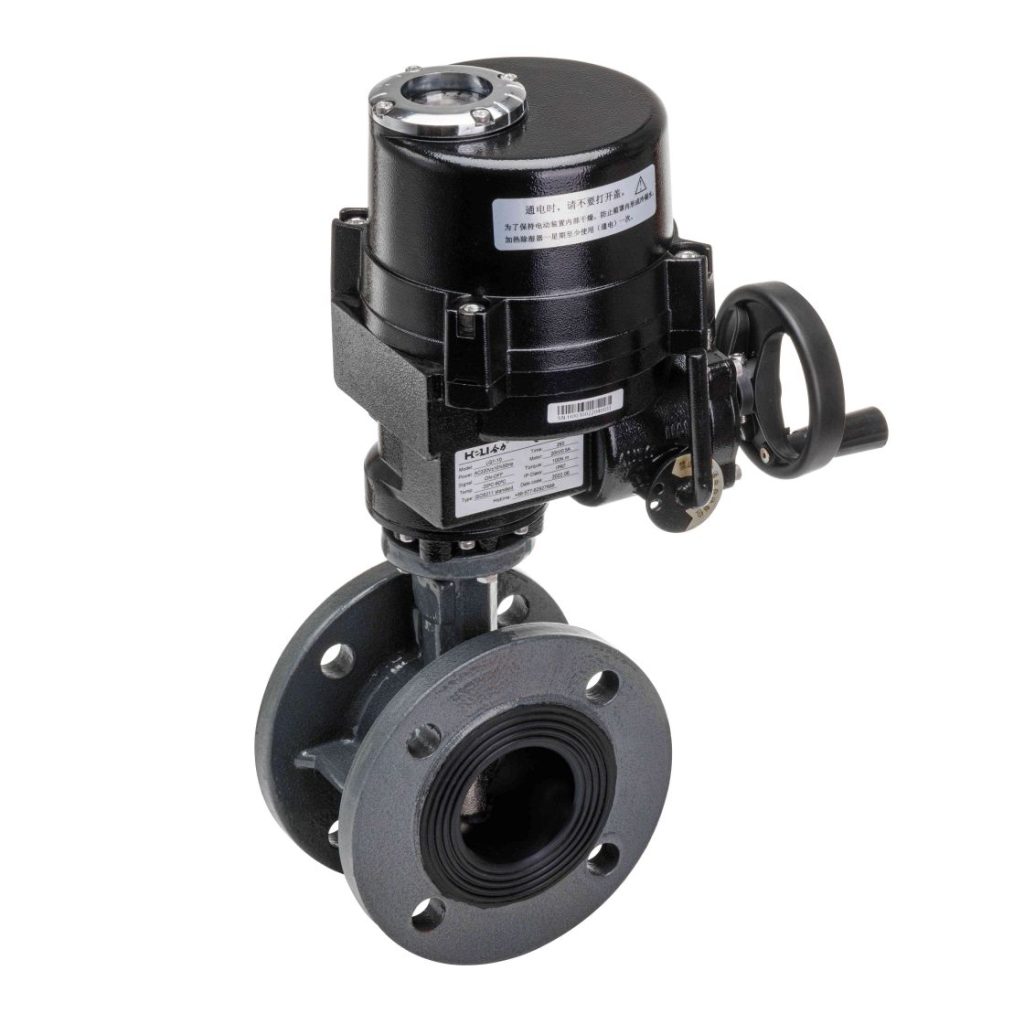
What is an Electric Ball Valve?
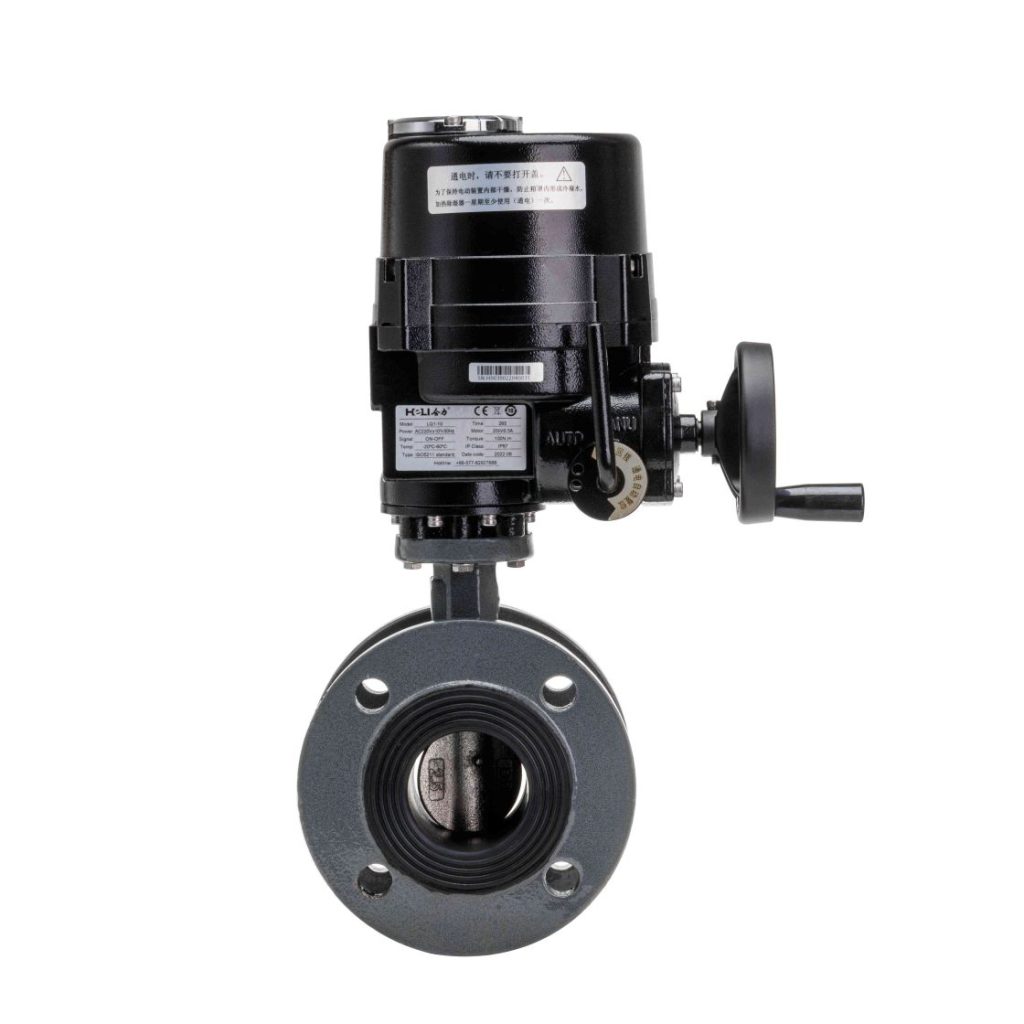
An electric ball valve is a type of valve that uses an electric actuator to control the opening and closing of the valve’s ball. The valve itself consists of a ball with a hole or passage through it, which aligns with the pipeline to allow fluid to flow through when opened. When the valve is closed, the ball rotates 90 degrees, blocking the flow entirely. The electric actuator provides the necessary mechanical force to rotate the ball, either fully or partially, based on the required flow rate. The electric actuator is controlled by electrical signals, which can be input via various protocols such as 4-20mA, 0-10V, or Modbus. This makes the electric ball valve suitable for integration into automated control systems, allowing remote operation and precise management of fluid flows.