Direct acting solenoid valves have become essential components in various industries due to their ability to control the flow of fluids efficiently. These valves utilize electromagnetic force to directly operate the opening and closing mechanism, making them reliable and effective solutions for flow control in numerous applications. This article explores the functionality, applications, and advantages of direct acting solenoid valves, shedding light on why they are favored in various sectors.
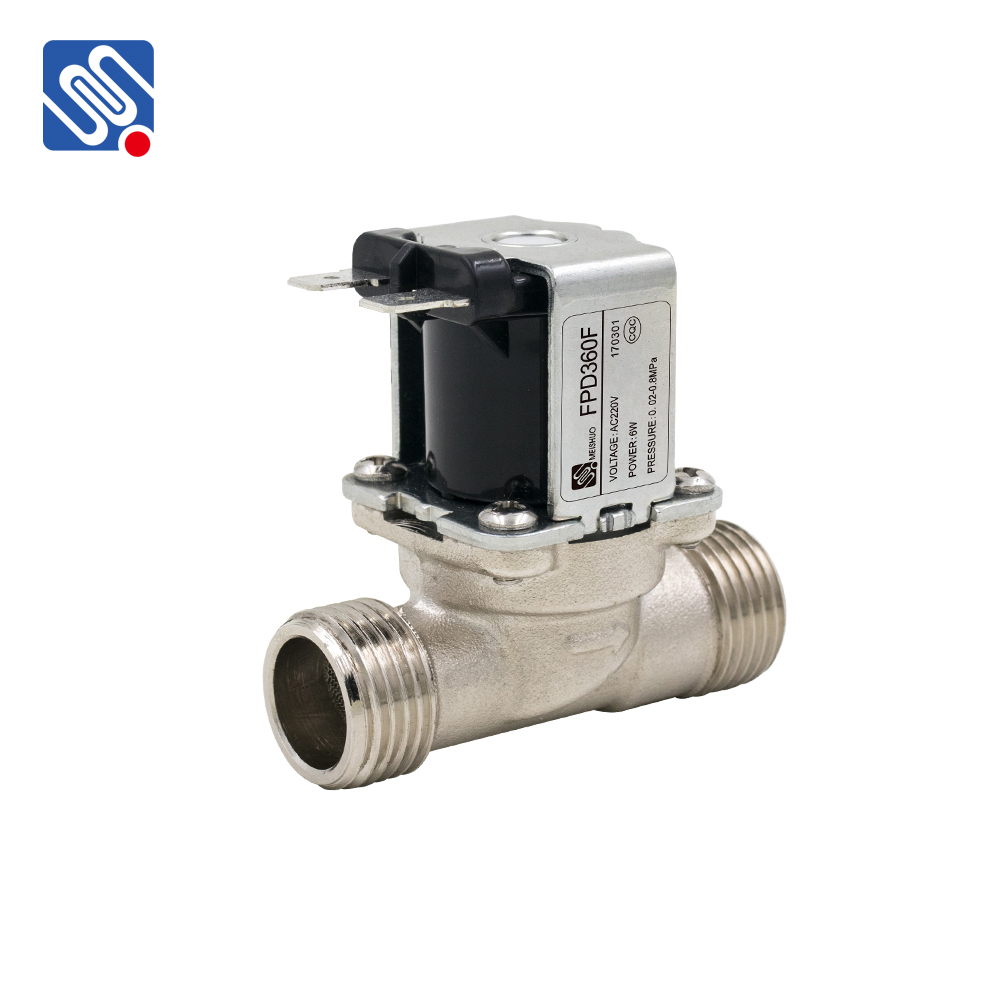
How Direct Acting Solenoid Valves Work The operation of a direct acting solenoid valve is predicated on a simple yet effective principle. The core element of this valve is the solenoid, a coil of wire that creates a magnetic field when an electric current is passed through it. When energized, the magnetic field attracts an armature or a plunger, which is mechanically connected to the valve seat. This action either opens or closes the valve, depending on its configuration. In a typical setup, the valve is kept closed by a spring or gravity. Once electricity flows through the solenoid, the magnetic force overcomes the spring’s resistance, allowing the plunger to move. In normal operation, as long as the solenoid is energized, the valve remains open, permitting fluid to flow. When the current is turned off, the spring or gravitational force re-engages the plunger, closing the valve and halting fluid flow.