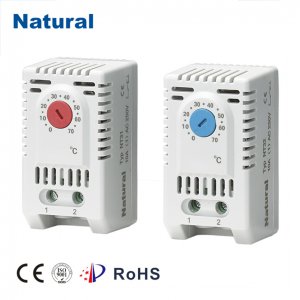
The adjustable mechanical thermostat is a classic, reliable temperature control device that has been a staple in a wide range of industries and applications. Unlike its digital counterparts, this type of thermostat operates using mechanical components to regulate temperature without relying on electronics or digital sensors. This simplicity, coupled with its durability, has made the adjustable mechanical thermostat an enduring choice in various settings, from household appliances to industrial machinery. In this article, we will explore the workings, benefits, applications, and limitations of the adjustable mechanical thermostat.
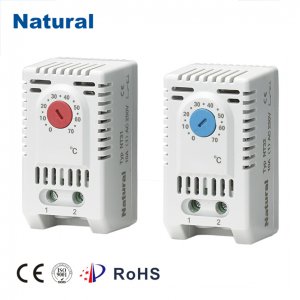
How Does an Adjustable Mechanical Thermostat Work?
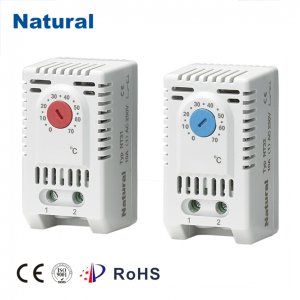
At its core, an adjustable mechanical thermostat operates through the use of physical principles such as the expansion and contraction of materials. The most common mechanism involves a bimetallic strip, a component made of two different metals bonded together. These metals have different coefficients of thermal expansion, meaning they expand and contract at different rates when subjected to changes in temperature. When the temperature increases, the metal that expands more causes the strip to bend, and when the temperature decreases, the strip straightens out. This bending action is used to open or close a circuit, turning the heating or cooling system on or off.