Relay drive systems play a pivotal role in various industrial and automation applications. They provide a reliable, efficient, and safe means of controlling high-power devices using low-power control signals. This article explores the working principles, applications, and benefits of relay drive systems, shedding light on how they contribute to modern automation and control processes.
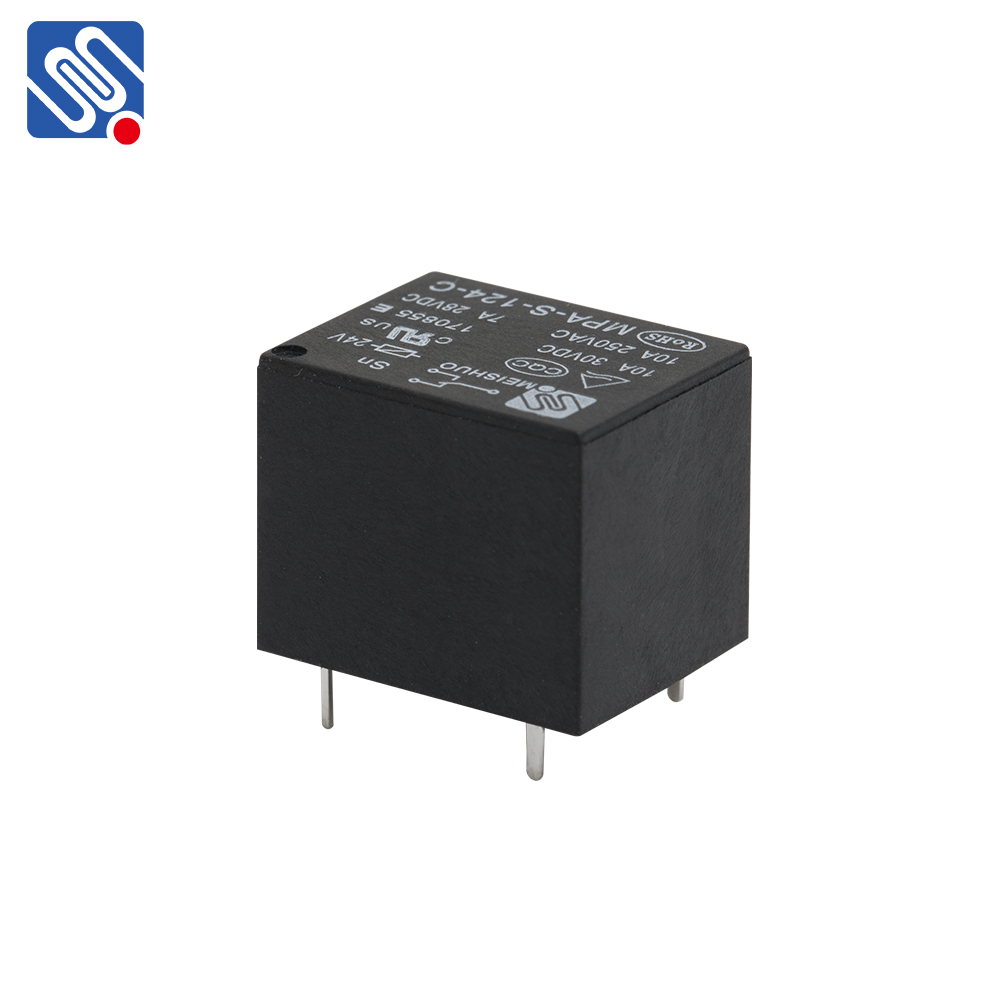
What is a Relay Drive? A relay drive refers to the use of a relay, which is an electrically operated switch, to control a device or circuit. A relay typically has a low-power control circuit and a high-power output circuit. When a small current flows through the relay’s control circuit, it activates a mechanical or solid-state switch that can control larger currents and voltages in the output circuit. This ability to isolate the control and load sides of a circuit is what makes relays indispensable in automation and control systems. Relays come in various types, including electromagnetic relays, solid-state relays (SSRs), time-delay relays, and reed relays, each designed for specific applications and environments.