A Temperature Control Relay (TCR) is an essential component in the automation and temperature regulation industry. It is a device used to control the temperature of electrical systems, machinery, and appliances by regulating heating or cooling elements. The ability of temperature control relays to automatically control temperature makes them a vital tool in both industrial and residential applications. In this article, we will explore the working principle, applications, types, and selection criteria for temperature control relays.
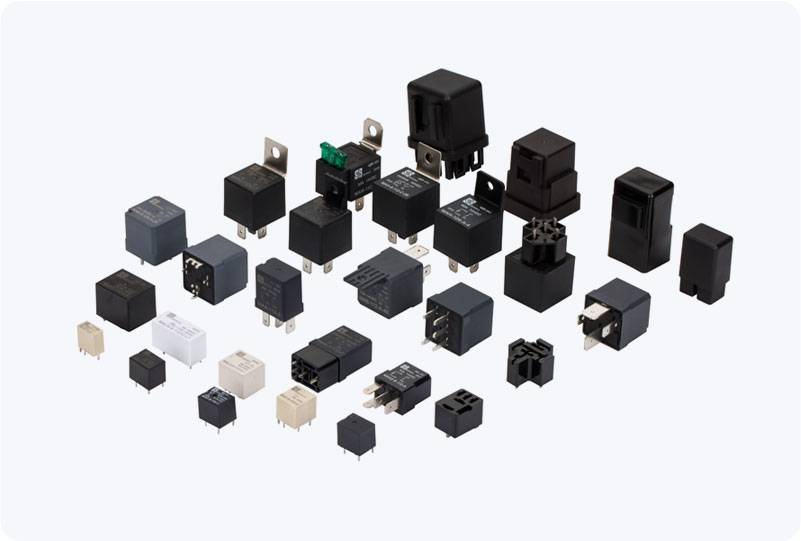
Working Principle A Temperature Control Relay operates based on the relationship between a temperature sensor and a control circuit. Typically, the relay consists of three main components: a temperature sensor, a control circuit, and an output relay. Temperature Detection: The temperature sensor, often a thermistor (NTC or PTC), thermocouple, or RTD (Resistance Temperature Detector), measures the temperature of the environment. These sensors change their resistance based on the temperature. Signal Processing: The control circuit continuously compares the measured temperature to a pre-set value. When the temperature deviates from the set threshold, the control circuit sends a signal to activate or deactivate the relay. The circuit may also include delay features or hysteresis to prevent rapid switching.