In modern cars, electrical systems play a crucial role in ensuring the vehicle runs efficiently and safely. Two essential components in automotive electrical circuits are relays and fuses. Though both serve important functions, they have distinct purposes and are not interchangeable. Understanding the difference between a relay and a fuse in a car is important for anyone interested in car maintenance, electrical systems, or troubleshooting issues in the vehicle’s power system.
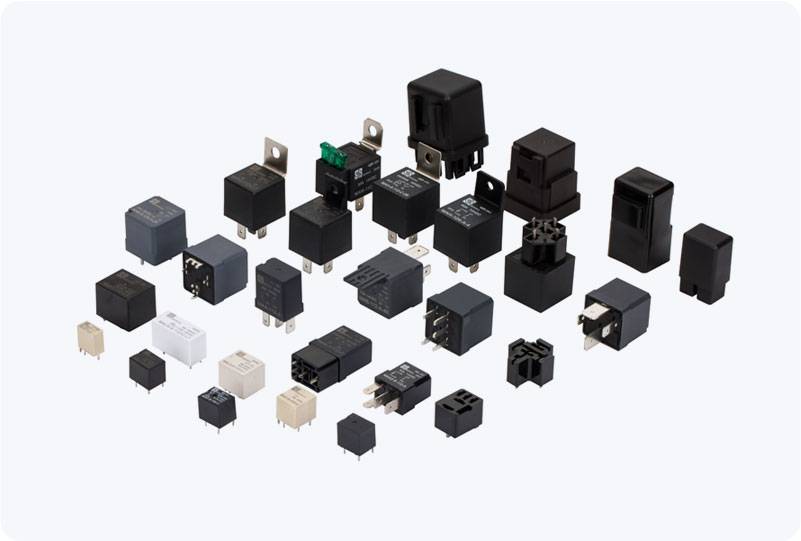
What is a Relay in a Car? A relay is an electromechanical switch used to control high-power electrical devices using low-power signals. It works by allowing a small current to activate a magnetic field that triggers a larger current to flow through a circuit. In cars, relays are used to control power-hungry devices, such as the starter motor, air conditioning, headlights, and power windows, without directly routing heavy current through the car’s switches. When you press a button to open a window or turn on the headlights, you are activating a low-voltage signal that energizes the relay. The relay then closes the circuit, allowing high-voltage power to flow to the device. The use of relays helps keep switches in the dashboard from carrying large currents and reduces wear and tear on those components.