In modern electrical and automation systems, relays are indispensable components that act as switches, controlling the flow of electricity to various circuits. Whether in industrial automation, home appliances, or automotive applications, selecting the right relay is crucial for ensuring reliability and efficiency. This article provides a comprehensive comparison of key relay specifications, helping engineers and technicians make informed decisions when choosing relays for different applications.
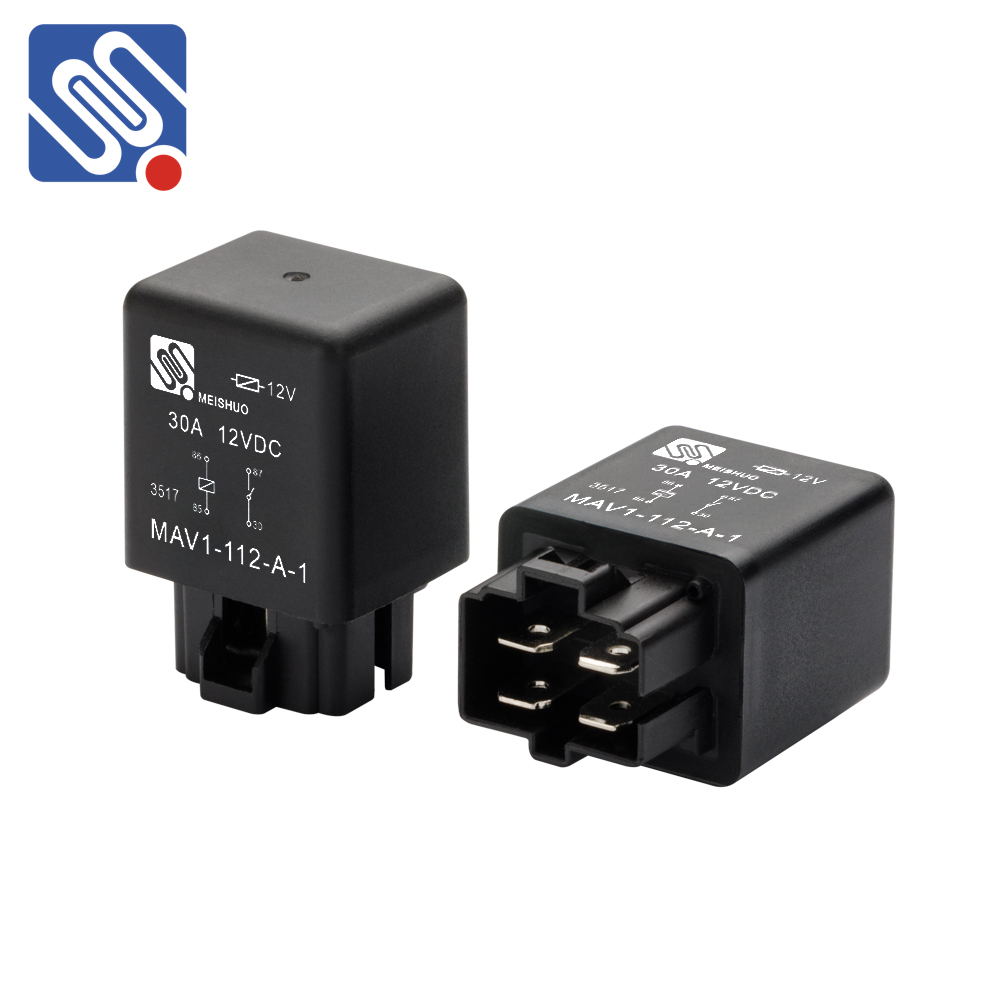
1. Coil Voltage and Current One of the first specifications to consider when comparing relays is the coil voltage. The coil voltage is the voltage required to energize the relay’s coil and activate its switching mechanism. Relays are available in a wide range of coil voltage options, such as DC 5V, 12V, 24V, or AC 110V, 220V, among others. The coil current, on the other hand, is the amount of current drawn by the relay’s coil when it is energized. It is essential to choose a relay with a coil current that matches the power supply, as using a relay with an incompatible coil voltage or current may lead to malfunction or damage.