Arc-Free Relay is a crucial innovation in modern electrical engineering, designed to address a common yet often overlooked issue in traditional relays: the formation of electrical arcs. These arcs, while temporary, can cause significant wear and tear on relay contacts, reducing their lifespan and potentially leading to catastrophic failures in electrical systems. In this article, we will explore the concept of Arc-Free Relays, their design principles, applications, and the benefits they offer in ensuring safer and more reliable electrical systems.
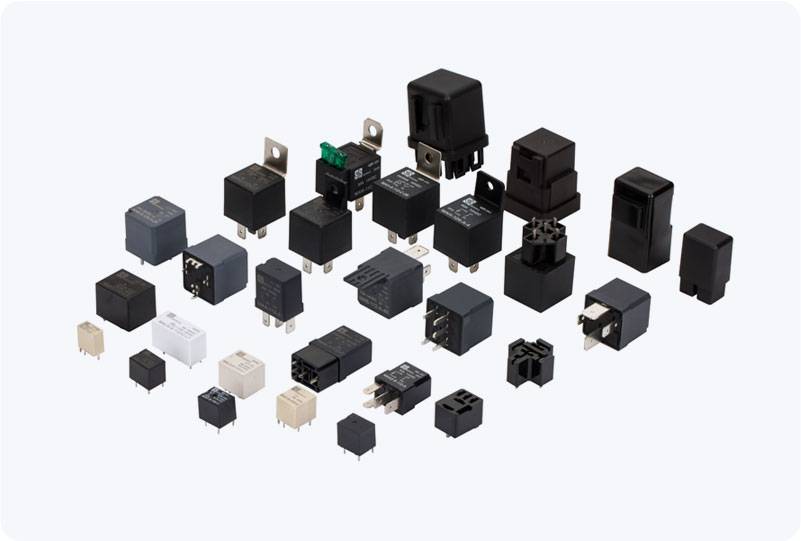
What is an Arc-Free Relay? An Arc-Free Relay is a type of relay that is specifically designed to minimize or eliminate the formation of electrical arcs during switching operations. Relays are devices that open or close circuits by making or breaking electrical contacts, and this action often generates an arc between the contacts. The intensity of the arc depends on the current, voltage, and speed of the contact movement. When the electrical circuit is interrupted, especially at high currents, the arc can become intense, leading to rapid wear of the contact surfaces and, in some cases, fire hazards. An Arc-Free Relay integrates special mechanisms to prevent or control this phenomenon, thereby extending the relay’s life and improving the safety and reliability of the circuit it controls.