Relays are essential components in modern electrical systems. They are used to control circuits by opening and closing contacts in response to an electrical signal. The versatility of relays makes them indispensable in a wide range of applications, from industrial automation to consumer electronics. In this article, we will explore the various types of relays, their working principles, and the scenarios where each type is best suited.
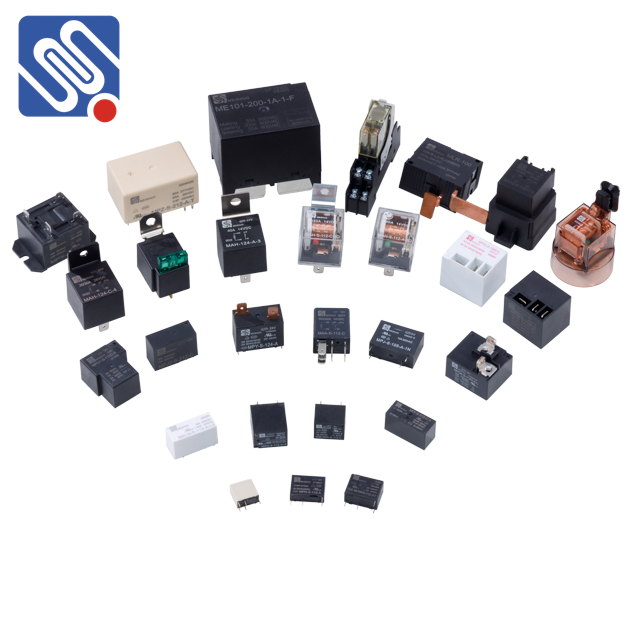
1. Electromagnetic Relay (EMR) The most common type of relay, the electromagnetic relay works on the principle of electromagnetism. When an electric current passes through a coil of wire, it creates a magnetic field that attracts a metal armature. This armature then moves to open or close the relay contacts, completing or interrupting the circuit. Electromagnetic relays are widely used in low-power control circuits where the need for mechanical movement is minimal. Applications: These relays are ideal for controlling small appliances, light fixtures, and electronic devices. They are used in industries like automotive and home appliances, where reliable switching and low-cost solutions are required.