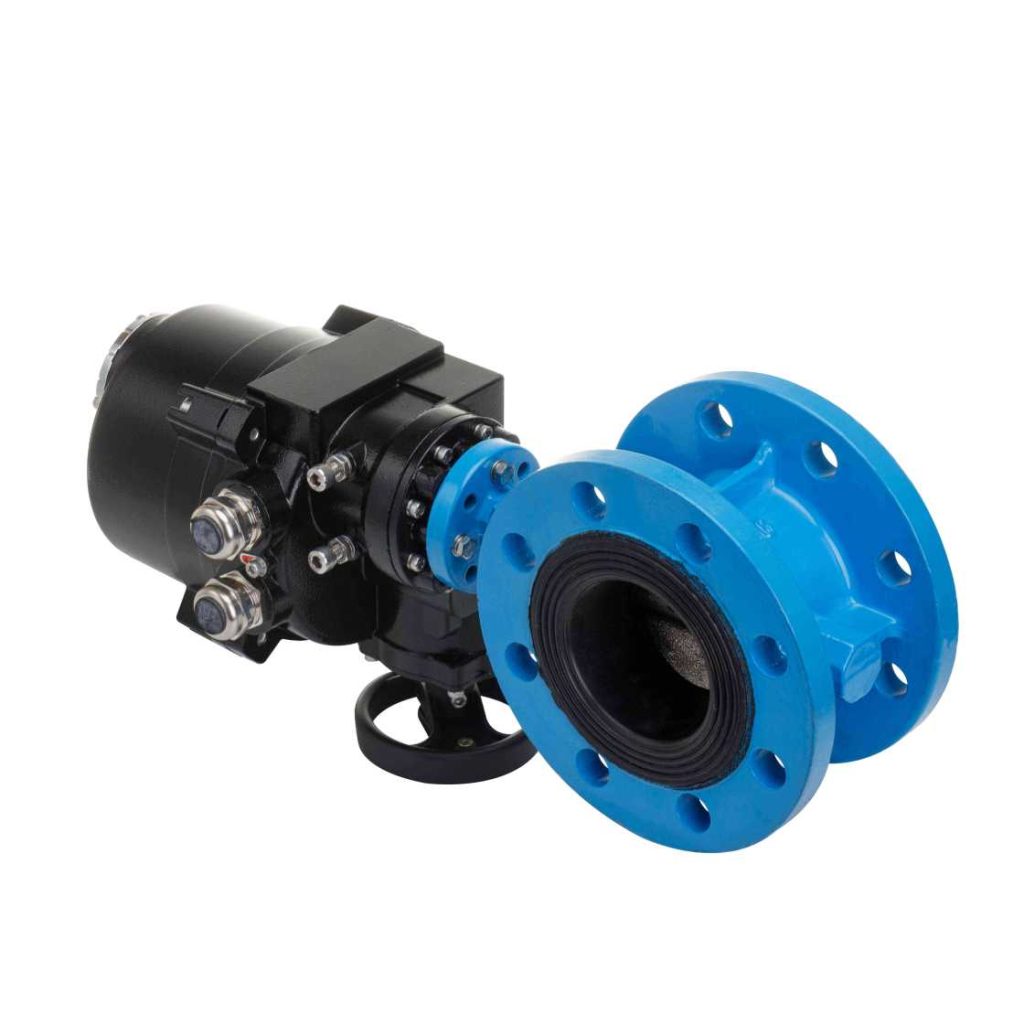
The industrial valve market is vast, encompassing a wide range of valve types designed to control the flow of liquids, gases, and slurries in different sectors. Among the most commonly used types are butterfly valves, which are often favored for their cost-effectiveness, compact design, and ease of operation. In particular, electric flanged butterfly valves are an essential component in many automated systems. As the demand for precision, automation, and energy efficiency grows, electric flanged butterfly valve manufacturers have become key players in a wide array of industries, including oil and gas, water treatment, chemical processing, and HVAC.
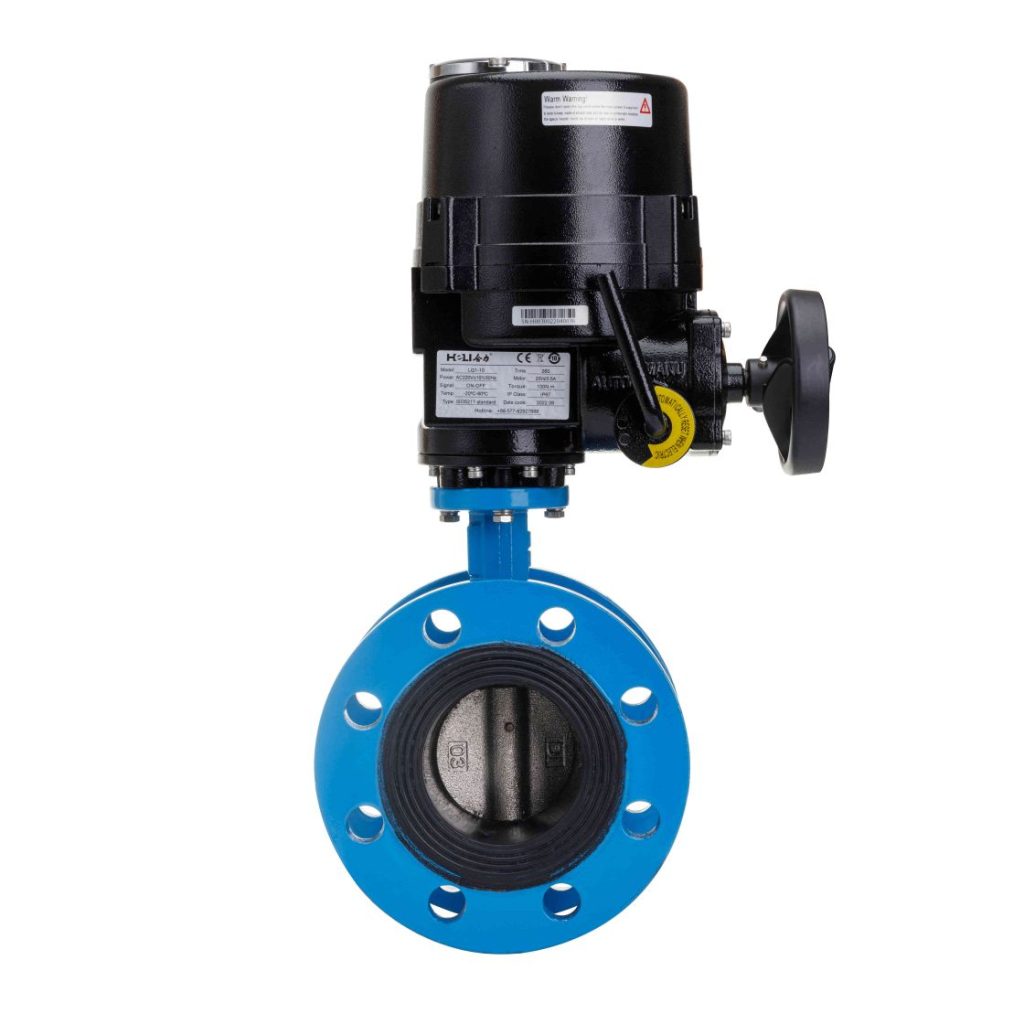
What Is an Electric Flanged Butterfly Valve?
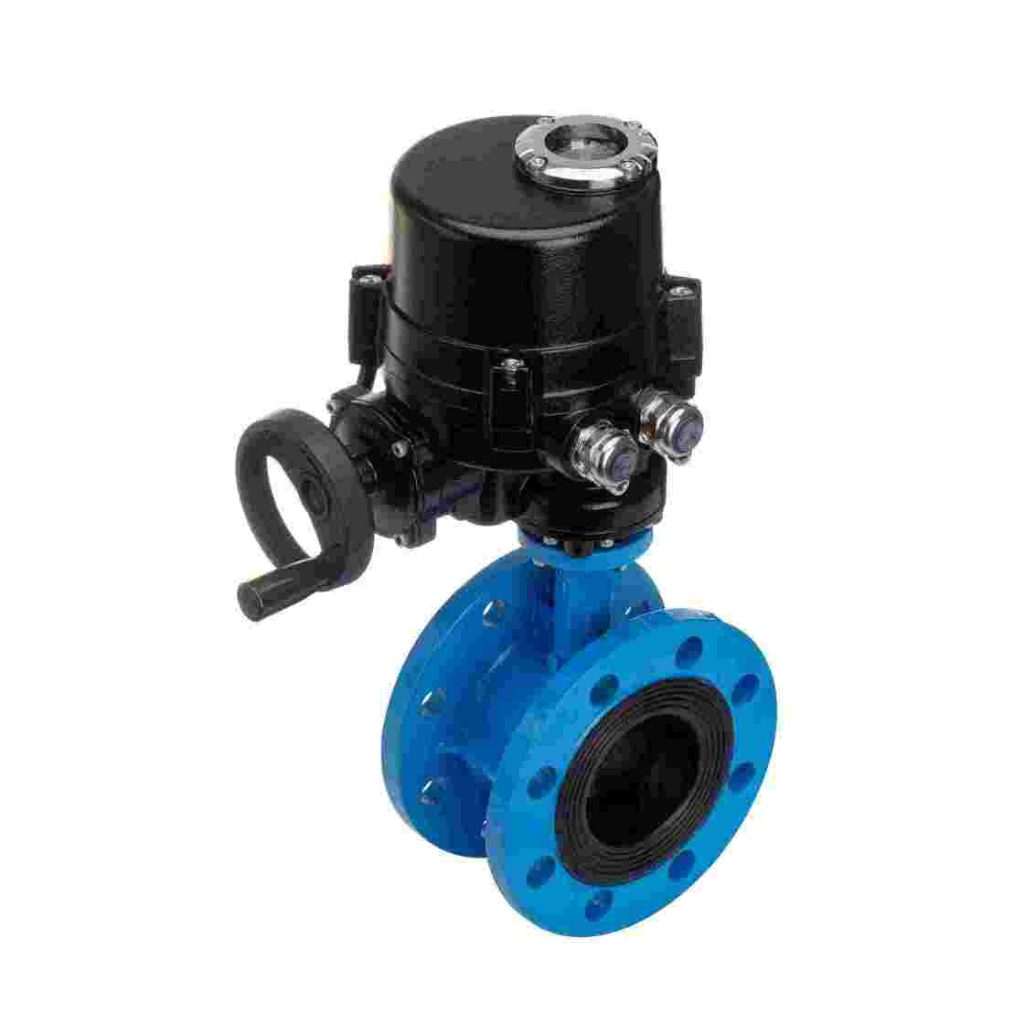
An electric flanged butterfly valve is a type of valve that controls fluid flow by rotating a circular disc (the butterfly) within the pipeline. The disc is attached to a stem and is positioned at the center of the pipe. By rotating the disc, the valve regulates the flow of media, either partially or fully opening or closing the passage. The “electric” component refers to the electric actuator that drives the stem to rotate the disc, allowing for precise, automated control of fluid flow. The “flanged” part of the name refers to the type of connection that the valve uses to attach to the piping system, which typically involves a flange joint for secure, leak-proof installation.