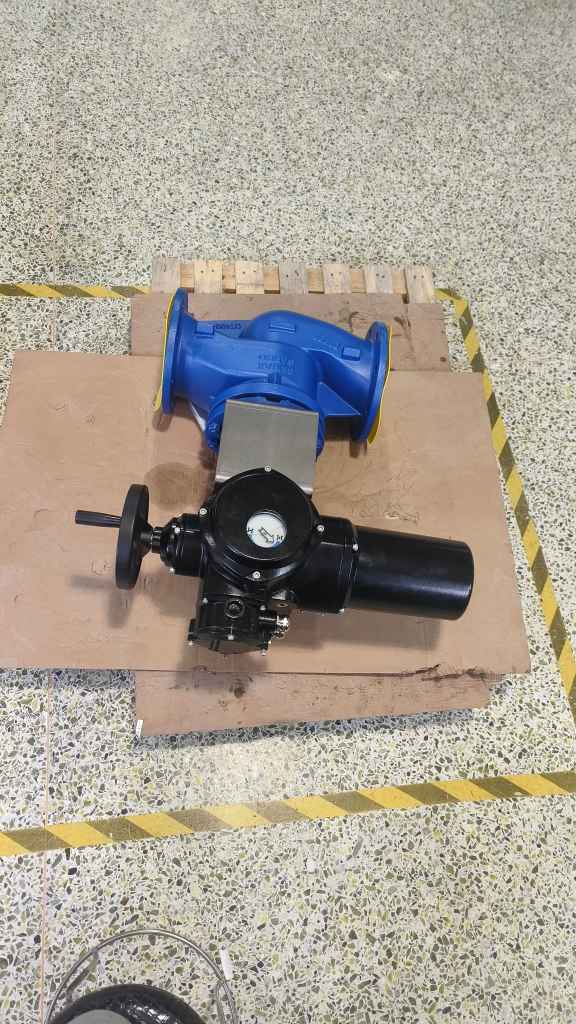
The development of hydrogen energy technology has gained significant traction as a cleaner, more sustainable energy solution. As the world shifts towards renewable energy sources, hydrogen energy plays a pivotal role in decarbonizing industries and transportation sectors. A key component in any hydrogen energy system is the hydrogen energy electric shut-off valve, an essential device designed to ensure the safe, efficient, and controlled flow of hydrogen in various applications, including storage, transportation, and fuel cell systems.
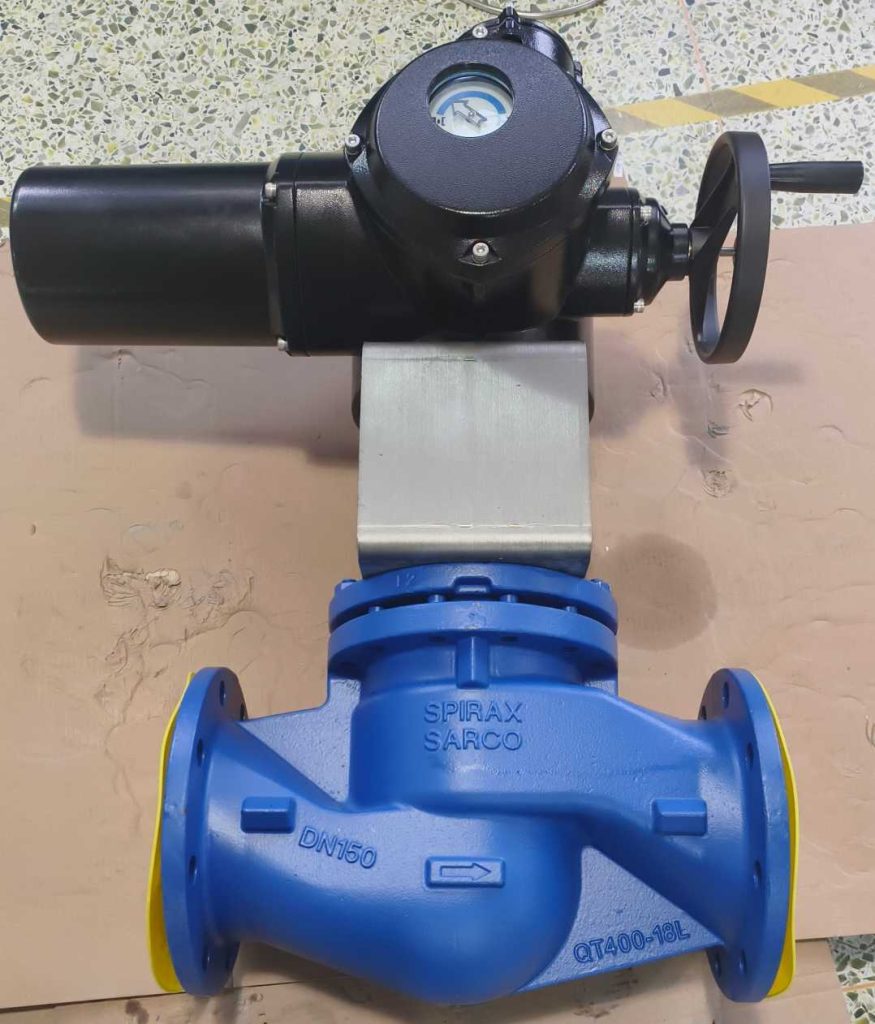
What is a Hydrogen Energy Electric Shut-Off Valve?
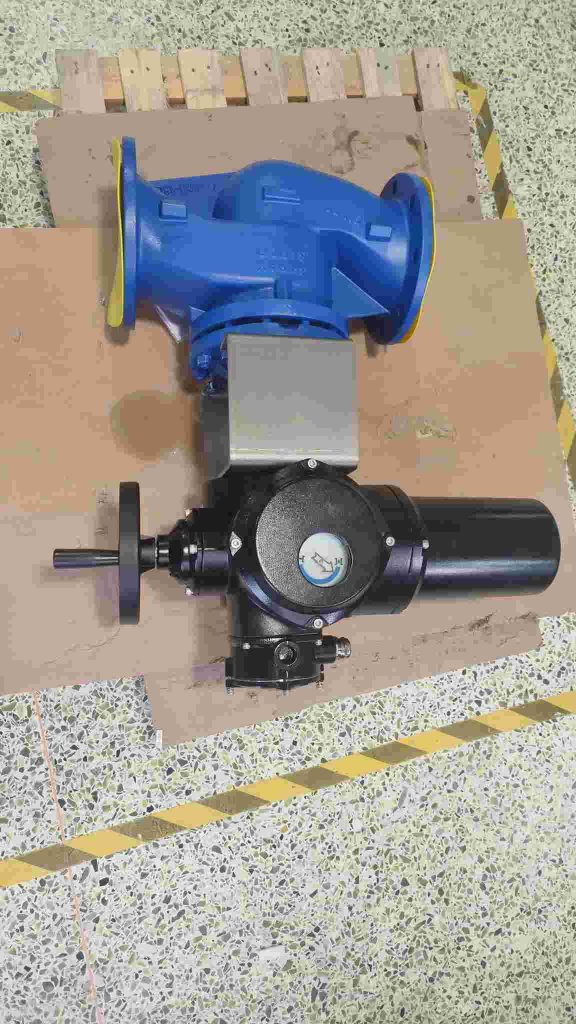
A hydrogen energy electric shut-off valve is an automated valve used to control the flow of hydrogen gas in pipelines, storage tanks, and fuel cell systems. This valve works in conjunction with an electric actuator that enables remote or automated control of its opening and closing mechanism. The primary purpose of this valve is to prevent hydrogen leakage, control pressure, and maintain system integrity by shutting off the gas flow when necessary. Given the high flammability and reactivity of hydrogen, it is essential to have a mechanism that can instantly cut off the gas supply in case of emergency or malfunction. This is where the electric shut-off valve plays a crucial role, ensuring the safety of both the infrastructure and the personnel working with hydrogen.